
IOC’den tarihi karar..
Uluslararası spor hukukunda son yıllarda en yoğun tartışılan meselelerden biri, cinsiyet kimliği, biyolojik cinsiyet ve sportif rekabet arasındaki ilişkinin nasıl düzenleneceği sorusu etrafında şekillenmektedir. Bu tartışma, özellikle kadın kategorisinin korunması ile ayrımcılık yasağı arasında kurulmaya çalışılan hassas denge bakımından ciddi bir normatif gerilim üretmektedir. Bu bağlamda International Olympic Committee tarafından yayımlanan “Protection of the Female (Women’s) Category in Olympic Sport”
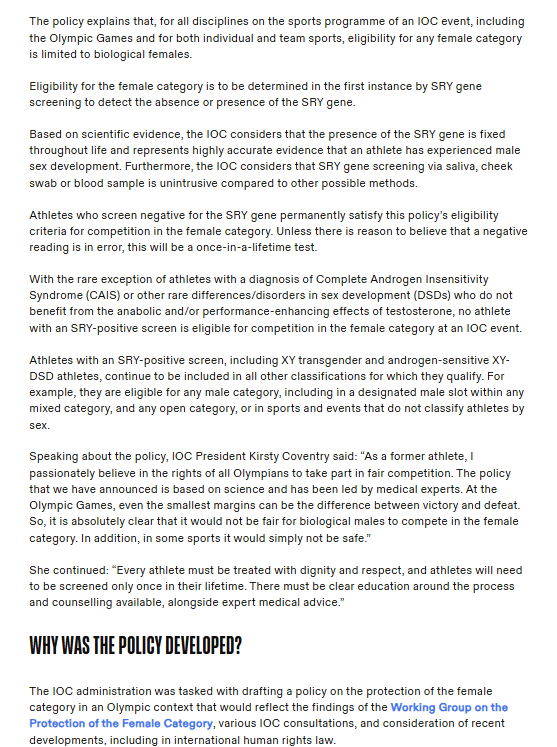
başlıklı politika, bu gerilimi yeni bir aşamaya taşıyor gibi gözükmektedir.
Söz konusu politika, ilk bakışta teknik bir uygunluk (eligibility) düzenlemesi olarak değerlendirilebilir ancak; metnin dili ve kurduğu çerçeve dikkate alındığında, bunun çok daha geniş bir normatif dönüşüme işaret ettiği görülmektedir. IOC, bu metinle birlikte kadın kategorisinin korunmasını açık biçimde önceliklendirmekte ve bunu olimpik hareketin temel değerleri arasında konumlandırmaktadır.
Nitekim metinde, kadın sporunun korunmasının “adil rekabetin sağlanması ve fırsat eşitliğinin teminat altına alınması” açısından zorunlu olduğu vurgulanmaktadır.
IOC’nin “Protection of the Female (Women’s) Category in Olympic Sport” başlıklı politikası, pratikte kadın kategorisinin korunması ekseninde doğrudan Caster Semenya dosyasına işaret etmektedir. Semenya, biyolojik farklılıkları (yüksek testosteron seviyesi) nedeniyle uzun yıllardır uluslararası atletizmde tartışmalı bir figür olmuştur.
CAS ve World Athletics kararları, Semenya’nın yarışmalarına katılım koşullarını belirlerken, adil rekabet ve biyolojik kriterler arasında denge kurmaya çalışmıştır.
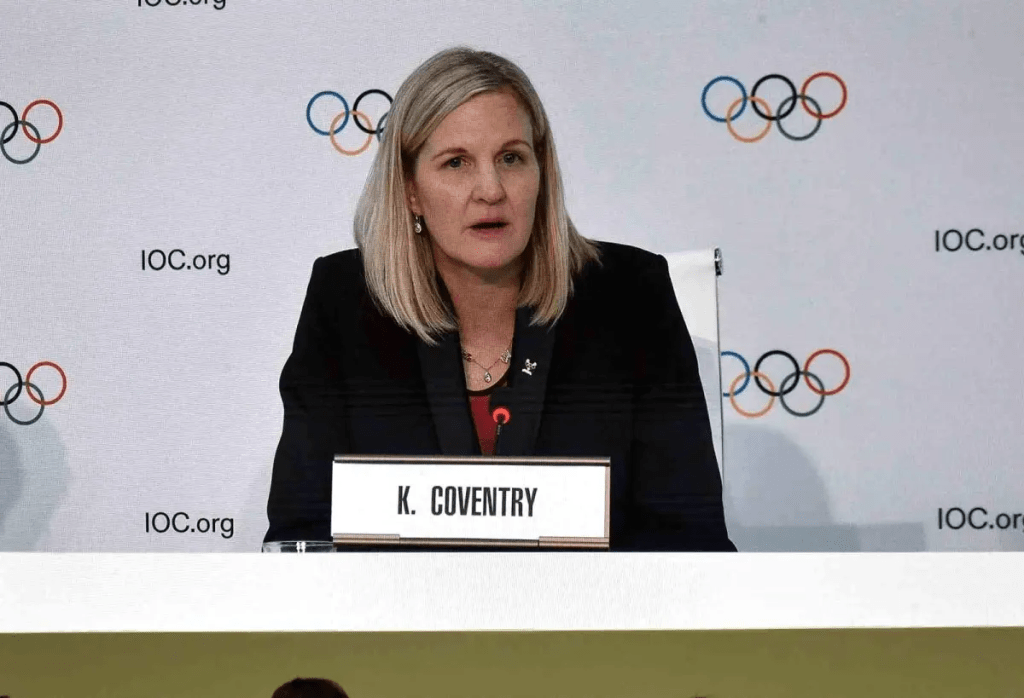
Bu bağlamda IOC’nin 2026 tarihli politika metni, Semenya davasında ortaya çıkan normatif ve hukuki boşluklara yanıt niteliği taşır gibi gözükmektedir.
Politika, kadın kategorisinin korunmasını açık biçimde önceliklendirmekte ve federasyonlara bu çerçevede yönlendirme sunmaktadır.
Semenya örneği, politika gerekçesinin yalnızca teorik bir düzenleme olmadığını; fiilen sporcuların kariyerini ve rekabet olanaklarını etkileyen somut bir boyut içerdiğini göstermektedir.
Politikada öne çıkan “adalet, güvenlik ve sürdürülebilirlik” eksenleri, Semenya davasındaki tartışmalarla doğrudan ilişkilidir öyle ki:
Semenya’nın yüksek testosteron seviyeleri, rakip sporcular açısından potansiyel bir avantaj olarak görülmüştür. IOC politikası, bu tür avantajların minimize edilmesini ve kadın kategorisinin adil bir şekilde sürdürülmesini amaçlamaktadır.
Fiziksel farklılıkların özellikle temas ve güç gerektiren branşlarda güvenlik riskleri oluşturabileceği vurgulanmaktadır. Semenya örneğinde; atletizm branşı öne çıkmakla birlikte, politika bu güvenlik unsurunu tüm kadın sporuna genelleştirmektedir.
Politika, kadın sporunun uzun vadeli sürdürülebilirliğini gözetmektedir.
Semenya dosyası, kadın kategorisinin sınırlarının belirsizliği nedeniyle ortaya çıkan normatif ikilemleri somutlaştırmış ve bu bağlamda IOC’nin politika ihtiyacını görünür kılmıştır.
Aynı zamanda politika ile insan hakları hukuku ve adil rekabet şartları arasındaki gerginliği de gözler önüne sermektedir. CAS kararları, ayrımcılık iddialarını değerlendirirken, biyolojik farklılıkların sportif avantaj yaratıp yaratmadığını tartışmış ve uluslararası insan hakları çerçevesi ile uyumlu bir çözüm arayışına girmiştir.
IOC’nin güncel politikası, bu boşluğu kapatmayı ve kadın kategorisi için daha öngörülebilir standartlar oluşturmayı hedefler gibi durmaktadır.
Özetle, Caster Semenya dosyası, IOC’nin yeni politikasının hem normatif hem de pratik gerekçelerini somut bir vaka üzerinden doğrulamaktadır. Politika, kadın kategorisinin korunması bağlamında ortaya çıkan hukuki, etik ve teknik tartışmaları bütünleştirerek uluslararası spor düzeninde yeni bir referans noktası yaratmaktadır.
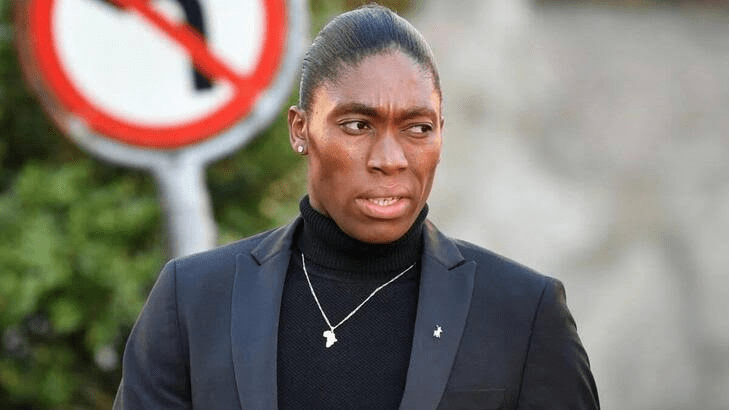
Güney Afrikalı DSD(cinsiyet gelişim farklılığı) bulunan Caster Semenya ve kendi gibi örnek teşkil eden sporcular yine bu politikadan ayrı tutuluyor bu da en normali zaten, zira; bu çok açık bir istisna ve politika dahilinde..
Fakat yine de bu güncel yaklaşım, IOC’nin önceki yıllarda benimsediği kapsayıcı çerçeve ile karşılaştırıldığında dikkat çekici bir yön değişimine işaret etmektedir zira özellikle ;
2021 tarihli “Framework on Fairness, Inclusion and Non-Discrimination” metninde öne çıkan kapsayıcılık ve ayrımcılık karşıtı yaklaşımın, bu yeni politika ile birlikte daha sınırlayıcı bir perspektife evrildiği söylenebilir.
Başka bir ifadeyle IOC, önceki dönemde “inclusion” ekseninde kurduğu dengeyi,
bu kez “protection” ve “fairness” kavramları etrafında yeniden kurmaya yönelmiş görünmektedir. Bunda kamuoyu baskısı ve ABD devlet başkanının eli var mıdır tartışılır..
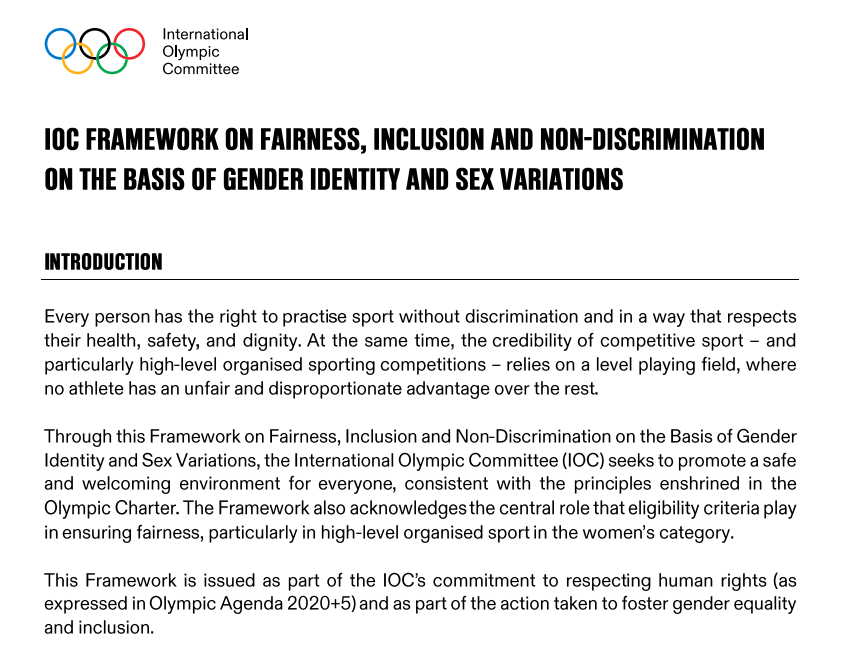
Bu çalışmanın amacı; IOC’nin söz konusu politika değişikliğini çok boyutlu bir perspektifle incelemek ve ortaya çıkan normatif dönüşümü spor hukuku bağlamında değerlendirmektir.
Bu çerçevede çalışma; öncelikle kararın kurumsal ve normatif arka planını ele almakta, ardından kararın ortaya çıkış sürecini ve gerekçelerini incelemekte, devamında ise; metnin normatif içeriğini detaylı biçimde analiz etmektedir.
İzleyen bölümlerde ise bu politika değişikliği Court of Arbitration for Sport içtihadı ve insan hakları hukuku perspektifi ile birlikte ele alınacak ve ortaya çıkan yeni dengenin sınırları tartışılacaktır.
Metodolojik olarak çalışma, nitel doküman analizi yöntemine dayanmaktadır. IOC tarafından yayımlanan politika metni esas alınmakta; bunun yanında önceki düzenlemeler, uluslararası federasyon uygulamaları ve ilgili yargı kararları birlikte değerlendirilmektedir. Bu yönüyle çalışma, yalnızca mevcut düzenlemeyi açıklamakla yetinmemekte; aynı zamanda bu düzenlemenin hukuki meşruiyetini ve sürdürülebilirliğini de sorgulamayı hedeflemektedir.
Komite, klasik anlamda bir uluslararası örgüt olarak tanımlanmakla birlikte, norm üretim biçimi bakımından oldukça özgün bir yapıya sahiptir. Bu özgünlük, özellikle kararlarının hukuki niteliğinde kendini gösterir. Zira IOC tarafından ortaya konulan düzenlemeler çoğu zaman doğrudan bağlayıcı hukuk kuralları değildir, ancak; olimpik hareket içerisindeki etkisi düşünüldüğünde, bu kuralların fiilen bağlayıcı sonuçlar doğurduğu görülmektedir.
IOC’nin normatif çerçevesinin temelini oluşturan metin Olympic Charter olmakla birlikte, kurumun düzenleme pratiği büyük ölçüde “soft law” araçları üzerinden ilerlemektedir. Bu durum, IOC’nin doğrudan yaptırım gücüne sahip olmamasına rağmen, uluslararası federasyonlar ve ulusal olimpiyat komiteleri üzerinde güçlü bir yönlendirme kapasitesi kurmasını mümkün kılmaktadır. Başka bir ifadeyle IOC, klasik anlamda bağlayıcı kurallar koymaktan ziyade, çerçeve belirleyen ve uygulamayı büyük ölçüde diğer spor aktörlerine bırakan bir normatif model benimsemektedir.
Bu bağlamda yayımlanan “Protection of the Female (Women’s) Category in Olympic Sport” başlıklı politika, IOC’nin bu geleneksel yaklaşımını sürdürmekle birlikte, içerik bakımından daha belirgin ve sınırlayıcı bir yönelim ortaya koymaktadır. Metinde kadın kategorisinin korunması, olimpik değerler ile doğrudan ilişkilendirilmekte ve özellikle “adil rekabetin sağlanması” açısından merkezi bir konuma yerleştirilmektedir. Bu vurgu, IOC’nin önceki çerçeve metinlerinde daha dengeli bir biçimde ele aldığı kapsayıcılık yaklaşımına kıyasla, daha net bir önceliklendirme içeriyor gibi gözükmektedir.
Nitekim IOC’nin 2021 yılında kabul ettiği “Framework on Fairness, Inclusion and Non-Discrimination” metni, federasyonlara geniş bir takdir alanı tanıyan ve sporcular arasında peşinen bir avantaj varsayımını reddeden bir yaklaşım benimsemekteydi. Bu çerçeve, insan hakları odaklı bir dil kurarak kapsayıcılığı ön plana çıkarıyordu. Ancak 2026 tarihli yeni politika ile birlikte bu yaklaşımın önemli ölçüde revize edildiği anlaşılmaktadır. IOC, bu kez kadın kategorisinin korunmasını daha açık ve belirgin bir normatif hedef olarak ortaya koymaktadır.
IOC metninde ayrıca, söz konusu politikanın kapsamlı bir danışma süreci sonucunda şekillendiği ifade edilmektedir. Bilimsel veriler, tıbbi değerlendirmeler ve spor paydaşlarının görüşleri doğrultusunda hazırlanan bu politika, yalnızca normatif bir tercih olarak değil, aynı zamanda teknik bir gereklilik olarak sunulmaktadır. Bununla birlikte, bu teknik ve bilimsel temellendirmenin hangi ölçüde nesnel ve tartışmasız olduğu, ilerleyen bölümlerde ayrıca değerlendirilmeye ihtiyaç duymaktadır.
Son olarak, IOC’nin bu politika ile doğrudan uygulayıcı bir rol üstlenmediği, aksine uluslararası federasyonlara önemli bir takdir alanı bıraktığı görülmektedir. Ancak bu durum, politikanın etkisini sınırlayan bir unsur olarak değerlendirilmemelidir. Zira uygulamada federasyonların IOC tarafından belirlenen çerçeveye uyum sağlaması neredeyse kaçınılmazdır. Bu nedenle söz konusu politika, teknik olarak soft law niteliği taşısa da, fiilen uluslararası spor düzenini yeniden şekillendiren güçlü bir normatif müdahale olarak ortaya çıkmaktadır.
2021 yılında kabul edilen kapsayıcı çerçevenin ardından geçen süreçte, birçok uluslararası federasyonun kendi düzenlemelerini daha sınırlayıcı bir doğrultuda revize ettiği görülmüştür. Özellikle atletizm, yüzme ve temas sporlarında ortaya çıkan yeni kurallar, kadın kategorisinin korunmasına yönelik daha katı kriterlerin benimsendiğini göstermektedir. Bu gelişmeler, IOC üzerinde de doğrudan bir etki yaratmış ve kurumun daha belirgin bir pozisyon almasını kaçınılmaz hale getirmiştir.
Bununla birlikte süreç yalnızca sportif düzenlemelerle sınırlı değildir.
Kamuoyunda artan tartışmalar, insan hakları örgütlerinin eleştirileri ve bilimsel çalışmalar arasındaki görüş ayrılıkları, IOC’nin karşı karşıya kaldığı baskıyı çok boyutlu hale getirmiştir. Bir tarafta kapsayıcılık ve ayrımcılık yasağına vurgu yapan bir yaklaşım; diğer tarafta ise biyolojik farklılıkların sportif performans üzerindeki etkisini esas alan bir görüş bulunmaktadır.
IOC’nin yeni politikası, bu iki yaklaşım arasında bir denge kurma çabası olarak sunulsa da, metnin ağırlık merkezinin belirgin biçimde “koruma” yönüne kaydığı görülmektedir.
IOC metninde dikkat çeken bir diğer husus; kadın kategorisinin korunmasının yalnızca mevcut sporcular açısından değil, aynı zamanda gelecekte spora katılım gösterecek kadınlar açısından da ele alınmasıdır. Bu vurgu, politikanın yalnızca bugüne ilişkin bir düzenleme olmadığını, aynı zamanda uzun vadeli bir yapı kurma amacı taşıdığını göstermektedir. Bu yönüyle IOC, kadın sporunun sürdürülebilirliğini sağlama iddiasıyla hareket ettiğini ortaya koymaktadır.
Sonuç olarak; söz konusu politika, hem federasyonlar arasındaki uygulama farklılıklarını gidermeyi hem de giderek yoğunlaşan normatif tartışmalara kurumsal bir yanıt vermeyi hedefliyor gibi gözükmektedir ancak; bu yanıtın ne ölçüde dengeli ve hukuken sürdürülebilir olduğu, özellikle insan hakları ve spor hukuku perspektifinden yapılacak değerlendirmelerle daha net ortaya konulabilecektir.
Politikanın gerekçeleri üç ana eksen etrafında toplanmaktadır:
- Adil Rekabet (Fairness): IOC, kadın kategorisinin korunmasının sportif rekabetin adil bir şekilde sürdürülmesi için zorunlu olduğunu vurgular. Metinde, “biolojik avantajların yarattığı eşitsizliklerin minimize edilmesi” gerekliliği öne çıkar. Burada özellikle testosteron seviyeleri ve cinsiyet gelişimi farklılıklarının rekabet üzerindeki etkileri dikkate alınmaktadır. Bu, önceki kapsayıcılık çerçevelerinden belirgin bir fark yaratır; çünkü önceki politikalar avantaj varsayımını peşinen reddederken, yeni politika belirli biyolojik ölçütleri dikkate alarak sınır çizmekte.
- Güvenlik (Safety): Politika metninde sporcuların fiziksel güvenliği de ön plana çıkarılmıştır. Özellikle temas sporlarında ve yüksek güç gerektiren branşlarda kadın sporcuların güvenliğini sağlamak amacıyla kategori sınırlamalarının önemine dikkat çekilmektedir. Bu yaklaşım, sadece rekabetin adilliğini değil, sporcuların sağlık ve güvenliklerini de korumayı hedeflemektedir.
- Koruma (Protection): Metin, kadın sporunun uzun vadeli sürdürülebilirliğine özel bir vurgu yapar. Bu koruma, yalnızca bireysel sporcular açısından değil, kadın sporunun genel olarak teşvik edilmesi ve desteklenmesi perspektifinden ele alınmaktadır. Politika, kadın kategorisinin zayıflamaması ve her seviyede erişilebilir kalması için önlem alınması gerektiğini açıkça ifade eder.
IOC metni ayrıca bu gerekçelerin bilimsel veriler ve danışma süreçleri ile desteklendiğini belirtmektedir. Bu bağlamda, tıbbi ve fizyolojik araştırmalar, performans farklarının ölçülmesi ve çeşitli federasyonların uygulamaları analiz edilmiştir. Politika, böylece normatif bir tercih olmanın ötesine geçerek, teknik ve bilimsel bir temele dayandırıldığını iddia eder. ”Biyolojik kritere öncelik”..
Kapsayıcılık ve İnsan Hakları Perspektifi:
Politika, kadın kategorisinin korunmasına odaklanırken, cinsiyet kimliği ve çeşitliliği konularında eleştirilere yol açmıştır. İnsan hakları savunucuları, bazı sporcuların bu düzenleme nedeniyle rekabete katılma hakkının sınırlandırılabileceğini ifade etmektedir. Özellikle trans kadın sporcular ve interseks sporcular için getirilen kriterler, kapsayıcılığı önceleyen önceki IOC çerçeveleriyle kıyaslandığında daha sınırlayıcı bulunuyor gibi gözüküyor.
Bilimsel ve Teknik Tartışmalar:
IOC, politikanın gerekçelerini bilimsel verilerle desteklediğini belirtse de, bazı bilim insanları ve federasyon temsilcileri, biyolojik avantajların ölçümü ve sınırlamalarının karmaşık ve tartışmalı olduğunu vurgulamaktadır. Örneğin testosteron düzeyi ve cinsiyet gelişim farklılıkları üzerinden yapılan sınıflandırmaların, hem bilimsel hem de uygulama açısından net sınırlar çizemeyebileceği iddia edilmektedir. Bu, politikanın uygulanabilirliği ve sürdürülebilirliği açısından kritik bir tartışma noktası yaratıyor.
Federasyonlar Arası Uyumsuzluk Riski:
Farklı uluslararası federasyonların kendi kurallarını belirleme takdir alanı, politikayı uygulamada bazı uyumsuzluklara yol açabilir. IOC metni çerçeve çizse de, federasyonlar arasında uygulamada farklılıklar oluşabilir ve bu da adil rekabet ilkesini tam anlamıyla sağlamayı zorlaştırabilir.
Normatif ve Hukuki Belirsizlik:
Politika, soft law niteliği taşıdığı için doğrudan bağlayıcı değildir. Bu durum, bazı hukukçular tarafından normatif belirsizlik olarak değerlendirilmektedir. CAS uygulamaları ve uluslararası spor hukuku perspektifiyle politika arasındaki etkileşim, hem sporcular hem de federasyonlar açısından hukuki öngörülebilirliği sınırlayabilir.
Öte yandan, politika eleştiriler kadar bazı olumlu geri dönüşler de almıştır. Özellikle kadın sporunun sürdürülebilirliği, adil rekabetin sağlanması ve güvenliğin önceliklendirilmesi, spor paydaşları tarafından genellikle desteklenmektedir. Bu denge, IOC’nin yeni politikayı bir yanıt olarak sunduğu “çok boyutlu baskı ve tartışma” ortamını da yansıtıyor gibi gözüküyor.
Sonuç olarak, politika hem normatif hem de uygulama boyutunda bir dizi tartışmayı tetiklemiş durumda. Bu tartışmalar, yalnızca kadın kategorisinin korunması değil, aynı zamanda kapsayıcılık, adalet ve uluslararası spor hukukunun geleceği açısından da önem taşımaktadır. Politikanın etkinliği, hem federasyonların uygulama kapasitesine hem de CAS ve insan hakları hukuku perspektifinin sağlayacağı yönlendirici yorumlara bağlı olarak şekillenecek gibi gözüküyor.
IOC’nin “Protection of the Female (Women’s) Category in Olympic Sport” başlıklı politikası, uluslararası spor hukukunda normatif ve uygulamalı birçok tartışmayı bir araya getiren önemli bir gelişme olarak değerlendirilebilir. Politika, teknik olarak soft law niteliğinde olmasına rağmen, fiilen federasyonlar ve sporcular üzerinde bağlayıcıya yakın bir etki yaratmaktadır. Bu durum, politika ile uluslararası spor düzeni arasındaki ilişkinin yalnızca hukuki değil, aynı zamanda normatif ve pratik boyutlarını da görünür kılmaktadır.
Akademik açıdan bakıldığında, politika üç temel eksende değerlendirilebilir:
- Normatif Yenilik: Politika, kadın kategorisinin korunmasını açık bir öncelik olarak belirleyerek, önceki kapsayıcılık odaklı çerçevelerden belirgin bir kayma göstermektedir. Bu, IOC’nin normatif önceliklerini yeniden tanımladığı ve sporun adil rekabet ekseninde kadın sporuna özel bir koruma sağladığı anlamına gelmektedir.
- Hukuki Etki: Soft law niteliğine rağmen, politika CAS kararları ve federasyon uygulamaları açısından yönlendirici bir standart oluşturmaktadır. Bu bağlamda politika, spor hukukunda fiili bağlayıcılık ve normatif yönelim yaratma kapasitesine sahiptir. Ancak hukuki belirsizlikler, özellikle insan hakları perspektifiyle birlikte değerlendirildiğinde, politika uygulamasında bazı tartışmalı alanlar yaratmaktadır.
- Uygulama ve Sürdürülebilirlik: Politika, bilimsel veriler ve paydaş görüşleri ile desteklendiğini iddia etse de, biyolojik farklılıkların ölçülmesi ve sınırlandırılması konusu hâlâ tartışmalı. Federasyonlar arası uyumsuzluk riski ve kapsayıcılık-endişeleri, politikanın uzun vadeli sürdürülebilirliğini belirleyecek temel faktörler olarak ön plana çıkmaktadır.
Akademik bakış açısından, bu politika hem normatif hem de hukuki açıdan önemli bir vaka çalışması olarak değerlendirilebilir. Gelecekteki araştırmalar, politika ile CAS uygulamaları ve uluslararası insan hakları normları arasındaki etkileşimi daha da detaylı analiz ederek, kadın kategorisinin korunması çerçevesinde uluslararası spor hukukunun evrimini izleyebilir.
IOC’nin “Protection of the Female (Women’s) Category in Olympic Sport” politikası, sadece spor hukuku ve spor etiği çerçevesinde değerlendirilmemelidir. Aynı zamanda uluslararası siyasetin ve devlet‑aktörlerinin baskı ve yönlendirme dinamikleri bağlamında da okunmalıdır. Özellikle ABD Başkanı Donald Trump’ın önceki dönemde kadın sporunun korunmasına dair yayımladığı düzenlemeler ve mesajlar, bu tür normatif kararların sadece sportif tartışmanın ürünü olmadığını göstermektedir.
2025 yılında Trump hükümeti, “Keeping Men Out of Women’s Sports” başlıklı bir idari düzenleme yürürlüğe koymuş;
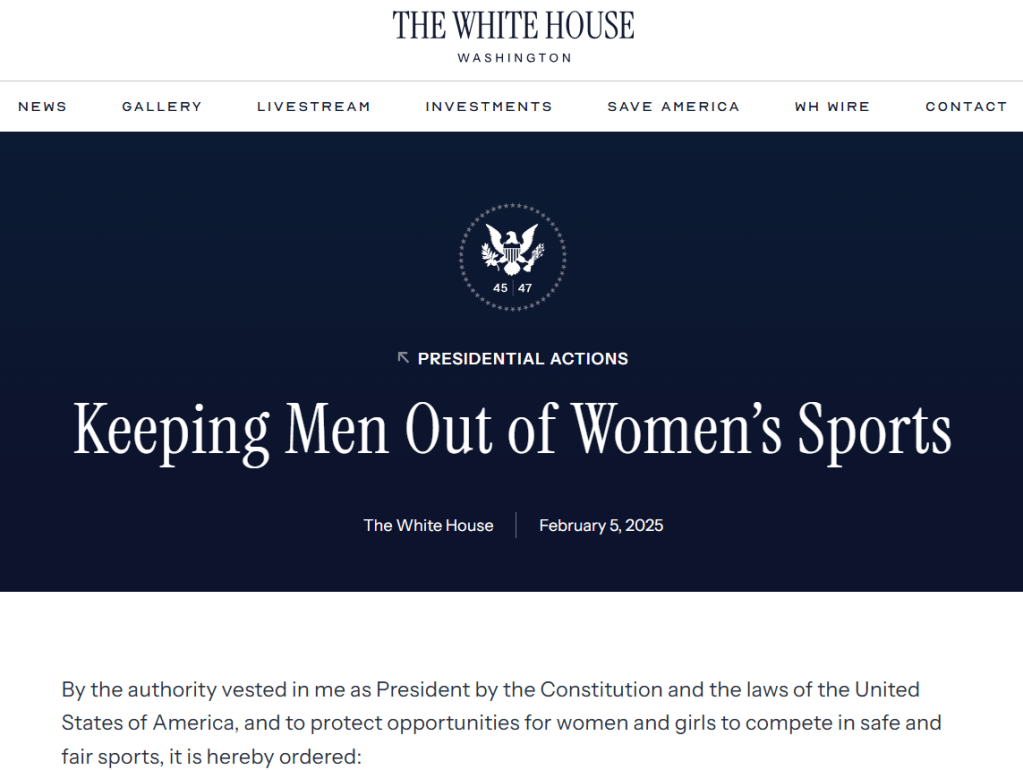
bununla birlikte trans kadın sporcuların okul, üniversite ve profesyonel düzeyde kadın kategorilerinde yarışmasını yasaklamıştır. Bu karar, IOC’nin 2026’da benzer yönde bir politika açıklamasıyla örtüşmüş ve Beyaz Saray tarafından memnuniyetle karşılanmıştır.
Trump yönetimi, bu düzenlemelerin Los Angeles 2028 Olimpiyat Oyunları’nda da sürdürülmesini ve trans atletlerin vizeleriyle ilgili sınırlamalar getirilebileceğini ifade etmiştir.
Bu neden önemli ?
- Uluslararası Siyasetin Spor Normlarına Yansımaları:
Siyasi aktörler, özellikle büyük güçler, yalnızca ulusal spor politikalarını şekillendirmekle kalmaz; aynı zamanda uluslararası spor düzenleyicileri üzerindeki stratejik ve diplomatik baskıyla gündem belirleyebilirler. Trump‑dönemi ABD politikası, kadın sporunun korunması söylemiyle IOC kararına dolaylı da olsa bir bağlam sunmuştur. - Kurumsal Özerklik ve Normatif Baskı:
IOC’nin formel yapısı uluslararası bir spor kuruluşu olarak bağımsızdır, ancak; pratikte uluslararası siyaset ve kamuoyu baskısı gibi dış dinamiklerden etkilenebilmektedir. Bu etki, politikaların “saf sportif değerlendirme” değil, aynı zamanda siyasi momentlerle uyumlu optik taşıması gerektiğini göstermektedir. - Politika‑Halkla İlişkiler ve Legitimite Arayışı:
Politika metninin duyurusu sırasında yapılan açıklamalar, kararın yalnızca bilimsel gerekçelere değil, aynı zamanda uluslararası kamuoyunda adalet ve eşitlik temaları üzerinden destek arayışına da dayanabileceğini düşündürmektedir. Nitekim Trump yönetimi tarafından yapılan övgüler, kararın siyasi arenada da pozitif yorumlandığını göstermiştir.
Eleştirel perspektifte;
Eleştiriler ise bu etkileşimi farklı açılardan sorgulamaktadır:
- Politikanın bilimsel gerekçelerden çok siyasi istek ve talimatlara hizmet ettiği ”iddia”ları, hem spor hukuku uzmanları hem de insan hakları savunucuları tarafından dile getirilmektedir. Bu eleştiriler, kararın bilimsel temelden ziyade siyasi momentlere göre şekillendiğini öne sürmektedir.
- Bazı yorumlar, kararın özellikle uluslararası federasyonların uygulama alanında tutarlı bir norm yaratmak yerine siyasi mesajlara hizmet eden bir sembolik düzenleme olarak işlev gördüğünü savunmaktadır.
En nihayetinde..
Uluslararası spor hukuku içerisinde IOC gibi norm üretici kurumlar, salt teknik sportif gerekçelerle değil, aynı zamanda küresel siyasal dinamiklerle de şekillenen bir çerçevede karar verirler. Trump’ın ABD iç politikasında kadın sporunun korunmasına dair attığı adımlar, IOC’nin dünya sahnesine yönelik yeni söylem ve norm üretim stratejisine dolaylı da olsa katkı sağlamış gibi görünmektedir. Bu etkileşim, spor hukuku çalışmaları için yalnızca normatif bir çerçeve sunmakla kalmaz; aynı zamanda uluslararası siyaset ve spor etiği arasındaki karmaşık kartezyen ilişkiyi anlamamız açısından da önemli bir pencere açmaktadır.
Özetle olimpiyatlarda artık ”biyolojik kriter” dönemi başlıyor diyelibiriz..
Yıllardır tartışılan ”cinsiyet beyanı” sporda duvara toslamış gibi gözüküyor.
IOC, kadın kategorisindeki adaleti sağlamak için, artık gen testini (SRY) zorunlu kılıyor.
Kimlik beyanı modern dünyanın en ileri eşiği diye pazarlanırken, spor neden ”biyoloji”ye boyun eğmek zorunda kaldı derseniz;
İlk çatlak yukarıda da belirttiğim üzere Caster Semenya vakasında ortaya çıkmıştı.
Tartışma 2009 yılında başlamıştı.. Güney Afrikalı DSD(cinsiyet gelişim farklılığı) bulunan Caster rakiplerine kurduğu ezici üstünlükle ”kadın kategorisinde biyolojik adalet” sorununu doğurdu. Yıllarca süren davalar,hormon kısıtlamaları ve belirsizlik, kadın sporcular için haksız rekabetin fitilini ateşlemişti.
Kırılma noktası ise; geçtiğimiz yaz olimpiyat oyunlarında Paris’de yaşanmıştı..
Imane Khelif ve Lin Yu-ting’in ringe çıkmasına tüm dünyadan tepkiler yağdı.
Federasyonların ”yarışamaz” dediğine IOC ”yarışabilir” deyince, kadın sporcuların güvenliği ve emeği en büyük tartışma konusu oldu..
Tartışmanın asıl mağdurları ömürlerini bu işe veren kadın sporcular. Sadece beyana dayalı bir sistem, biyolojik avantajı olanların önünü açarken, kadınların başarı hayallerini ellerinden alıyor. Yeni kurallar; ” fırsat eşitliğini” ve ”kadın kategorisinin sınnırlarını” korumayı amaçlıyor.
Artık gri alanlar, pasaportlar veya iyi niyet beyanları geçerli değil..
SRY gen testiyle teknik bir çizgi çekiliyor. Bir dönemin en ideolojik tartışması, laboratuvar verisine teslim oldu. Spor dünyası artık ”kim olduğunla” değil;
”biyolojik olarak ne olduğunla” ilgileniyor. Bu sayede sistemin ayakları tekrar yere basacak.
IOC, bu sert dönüşü ”güvenlik ve adalet” diyerek savunuyor.
Tartışmalar muhtemelen mahkeme salonlarına taşınacak ancak mesaj net;
”Kadın kategorisi”, salt biyolojik,bilimsel bir gerçekliktir ve bu gerçeklik artık beyanla esnetilemeyecek. Spor; siz deyin siyasi baskıyla başkası desin bir başka sebeple; özetle öyle veya böyle en temel kuralına yani biyolojiye geri dönüyor..
The 2026 FIFA World Cup and Human Rights: Governance, Accountability, and Ethical Challenges
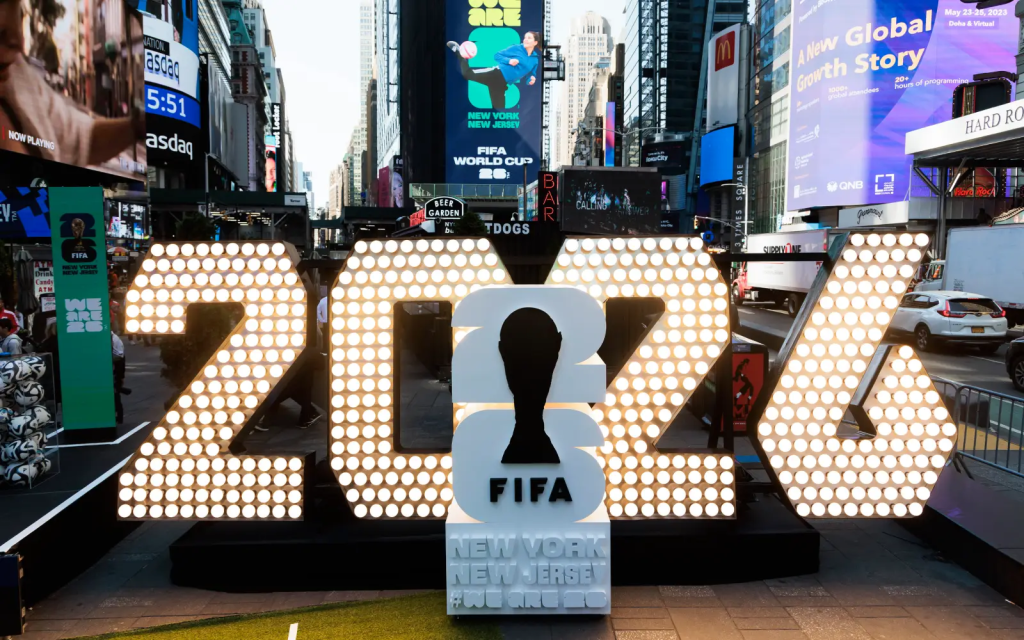
The upcoming 2026 FIFA World Cup, to be jointly hosted by the United States, Canada, and Mexico, represents a pivotal moment in the intersection of international sport and human rights. As the largest football tournament in history, featuring 48 national teams across multiple jurisdictions, the event not only attracts global attention from fans and media but also imposes significant ethical and legal responsibilities on FIFA, host governments, and associated stakeholders. While previous tournaments have focused primarily on athletic competition and commercial outcomes, contemporary expectations increasingly demand that mega sporting events adhere to internationally recognized human rights standards. The Sport & Rights Alliance, along with other civil society organizations, has publicly called on FIFA to ensure that the 2026 World Cup is genuinely inclusive, safe, and respectful of fundamental rights. These organizations have identified a range of potential challenges, including restrictive visa and immigration policies that may hinder fan attendance, limitations on journalistic access, insufficient protection of workers involved in tournament preparation, and restrictions on freedom of expression and protest. They have emphasized that many host cities have not yet published comprehensive human rights action plans, thereby undermining transparency and accountability in tournament governance.
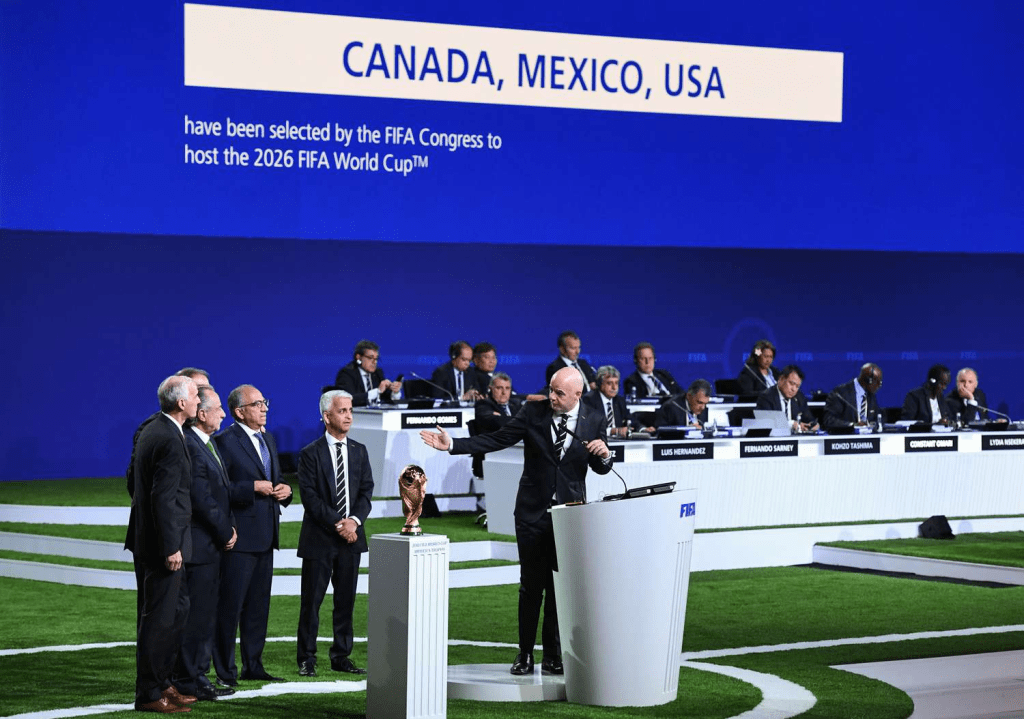
Historically, sports governing bodies like FIFA operated with significant autonomy, insulated from external legal or political oversight. This model of independence, rooted in the belief that sport exists outside the realm of politics, has been eroded by globalization, commercial pressures, and widespread public scrutiny. Today, international federations manage extensive commercial operations, coordinate multi-jurisdictional logistics, and exert influence over diverse stakeholder groups, including national governments, sponsors, and local communities. Consequently, they are increasingly held accountable for the social and ethical consequences of their events. The adoption of FIFA’s Human Rights Policy in 2017 marked a formal recognition that the organization bears responsibilities beyond the field of play. Grounded in the United Nations Guiding Principles on Business and Human Rights, the policy obliges FIFA to identify, prevent, and mitigate adverse human rights impacts associated with its activities, while ensuring access to remedy for affected individuals. Although this framework represents a significant step forward, its implementation remains challenging, particularly in the context of a tournament that spans three countries with divergent legal, regulatory, and political environments.
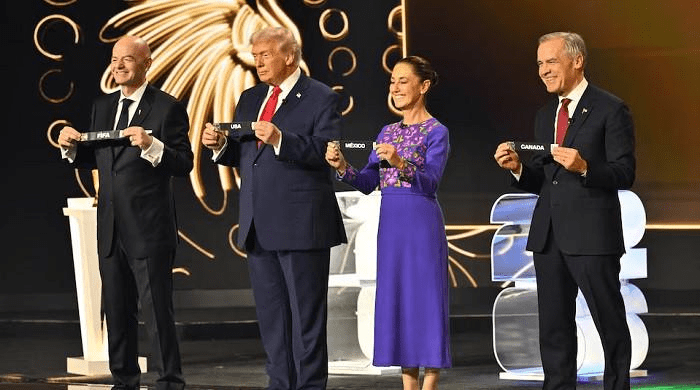
The multi-jurisdictional nature of the 2026 World Cup complicates the enforcement of human rights standards. Immigration regimes, labor protections, and civil liberties differ markedly between the United States, Canada, and Mexico, raising the possibility that fans, athletes, and journalists may encounter inconsistent access rights. Labor laws and protections for workers engaged in stadium construction, security operations, hospitality, and infrastructure projects vary across federal, state, and municipal lines, presenting challenges to the consistent application of ethical standards designed to prevent exploitation. Constitutional and statutory guarantees for civil liberties, including freedom of expression and assembly, are interpreted and enforced differently in each host country, creating potential disparities in the exercise of these rights during the tournament. These factors underscore the necessity for FIFA and local organizing committees to develop harmonized governance mechanisms capable of bridging legal and regulatory differences while ensuring respect for fundamental rights.
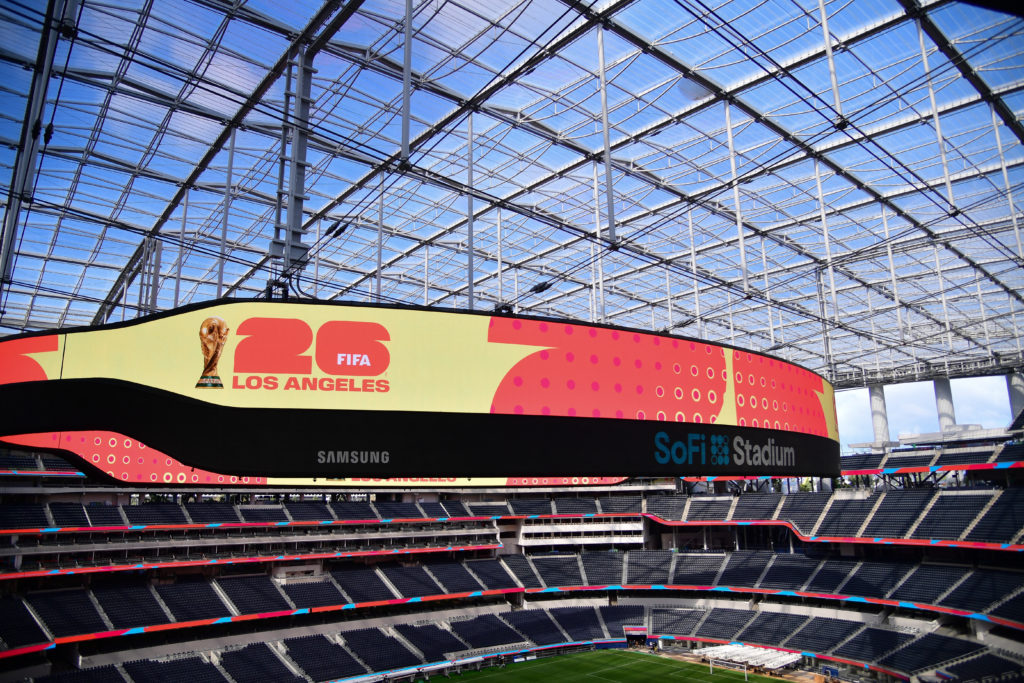
The protection of workers engaged in World Cup infrastructure projects represents a central concern. Lessons from previous tournaments, particularly the 2022 FIFA World Cup in Qatar, have highlighted systemic vulnerabilities in migrant and temporary labor, including low wages, unsafe working conditions, exploitative contracts, and limited access to grievance mechanisms. Ensuring compliance with labor standards requires effective monitoring systems, coordination across multiple employers and subcontractors, and alignment with both international labor norms and domestic laws. FIFA’s Human Rights Policy and the UN Guiding Principles emphasize that sports organizations are responsible for preventing human rights violations throughout the supply chain. Sponsors and commercial partners are equally accountable, with obligations to enforce ethical codes, conduct independent audits, and support transparency mechanisms. Failure to uphold these standards exposes workers to harm, risks reputational damage, and undermines the credibility of FIFA, host governments, and corporate stakeholders alike.
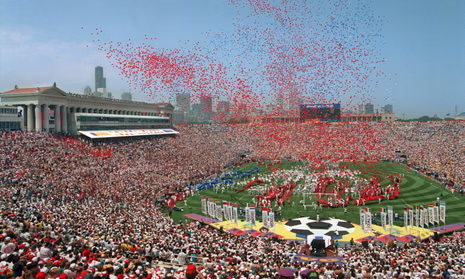
Accessibility for international fans and journalists is another critical dimension of human rights. Visa restrictions, border controls, and immigration enforcement can create barriers that disproportionately affect certain communities, particularly those from politically sensitive or economically disadvantaged regions. Journalists require unimpeded access to facilities, sources, and public spaces to investigate labor conditions, governance practices, and incidents affecting civil liberties. Without robust guarantees of press freedom, reporting may be restricted, limiting public accountability and reducing confidence in FIFA’s commitments.
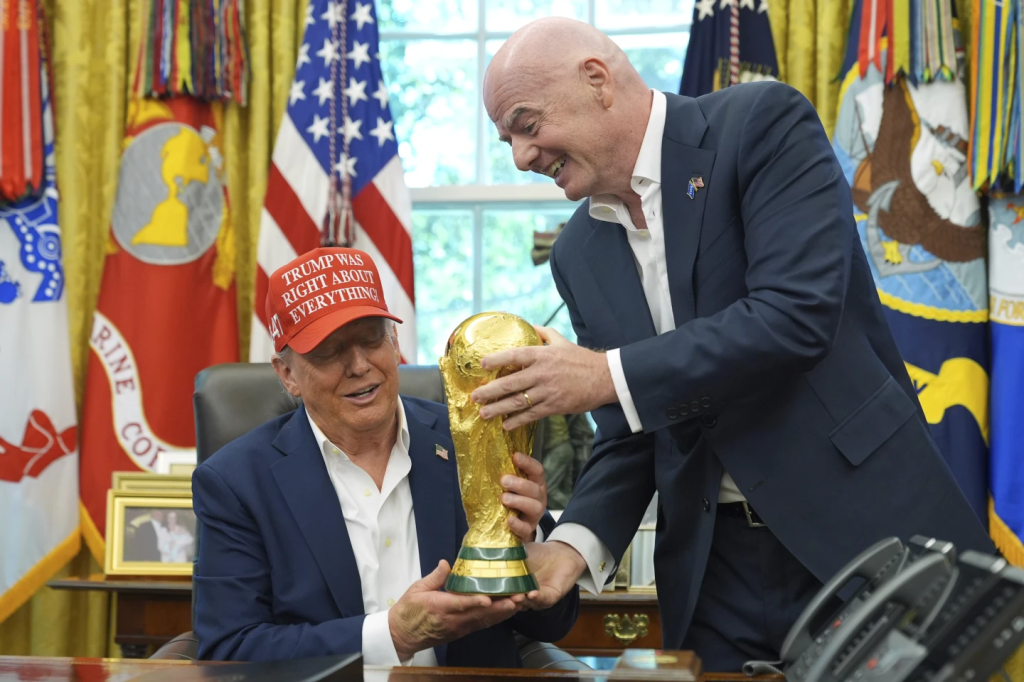
Freedom of expression and protest rights intersect with both governance and security considerations. Mega sporting events inevitably attract political attention, and athletes, fans, and civil society actors may wish to voice concerns related to social justice, labor conditions, or governmental policies. Restrictions on banners, chants, symbolic gestures, or public demonstrations, while sometimes justified on security grounds, risk marginalizing legitimate civic engagement and undermining the inclusivity and ethical legitimacy of the tournament. Security measures must balance public safety with proportionality and respect for civil liberties. Oversight mechanisms, independent monitoring, and clear reporting structures are essential to ensure that security objectives do not compromise fundamental rights. This balance is particularly delicate in a multi-jurisdictional context, where legal protections for civil liberties vary among host countries. Harmonizing standards across these jurisdictions is necessary to achieve consistent human rights compliance.
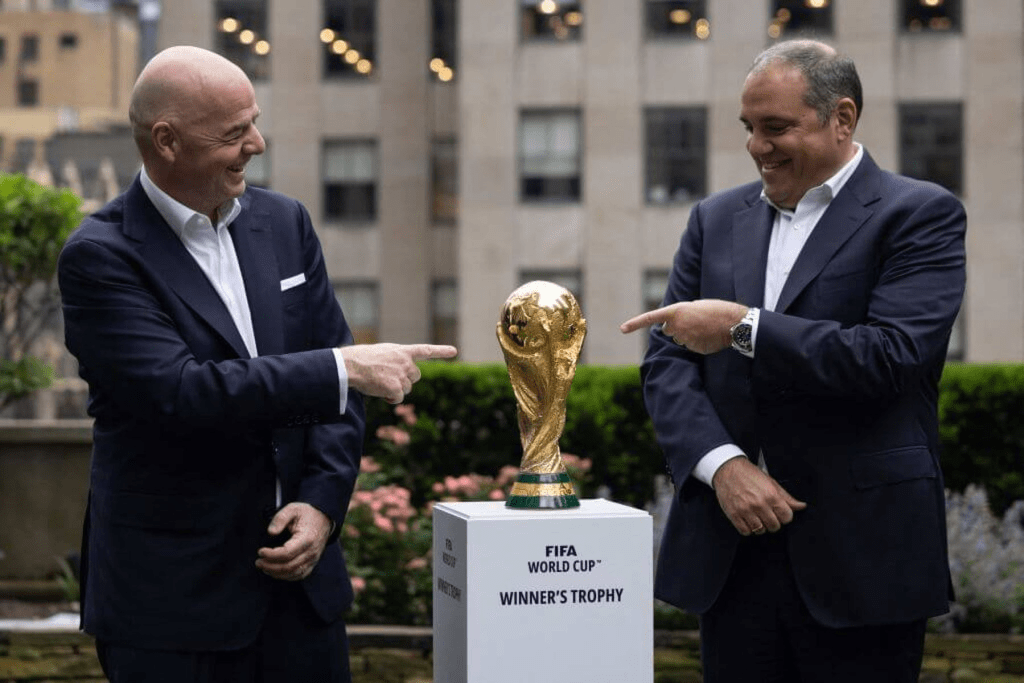
The 2026 FIFA World Cup therefore represents a comprehensive test of the capacity of international sporting organizations to integrate human rights principles into practice. Effective governance requires transparent publication of human rights action plans, proactive mitigation of labor, security, and accessibility risks, and the establishment of independent monitoring mechanisms. Coordination among FIFA, host governments, local organizing committees, sponsors, and civil society actors is critical to ensure accountability, prevent harm, and uphold ethical standards. By demonstrating rigorous enforcement of human rights obligations, the World Cup can serve as a model for future mega sporting events. Conversely, failure to address these challenges risks systemic harm, legal challenges, and long-term reputational consequences.
The governance of the tournament extends beyond immediate operational concerns to encompass the responsibilities of FIFA, sponsors, and the broader supply chain associated with the 2026 World Cup. FIFA, as the primary organizing body, bears ultimate responsibility for ensuring that all aspects of the event comply with internationally recognized human rights standards. This includes both the direct activities of the organization and the conduct of contractors, subcontractors, and commercial partners. FIFA’s 2017 Human Rights Policy establishes the obligation to conduct due diligence, prevent harm, and provide remedies where violations occur, extending accountability throughout the operational ecosystem of the tournament.
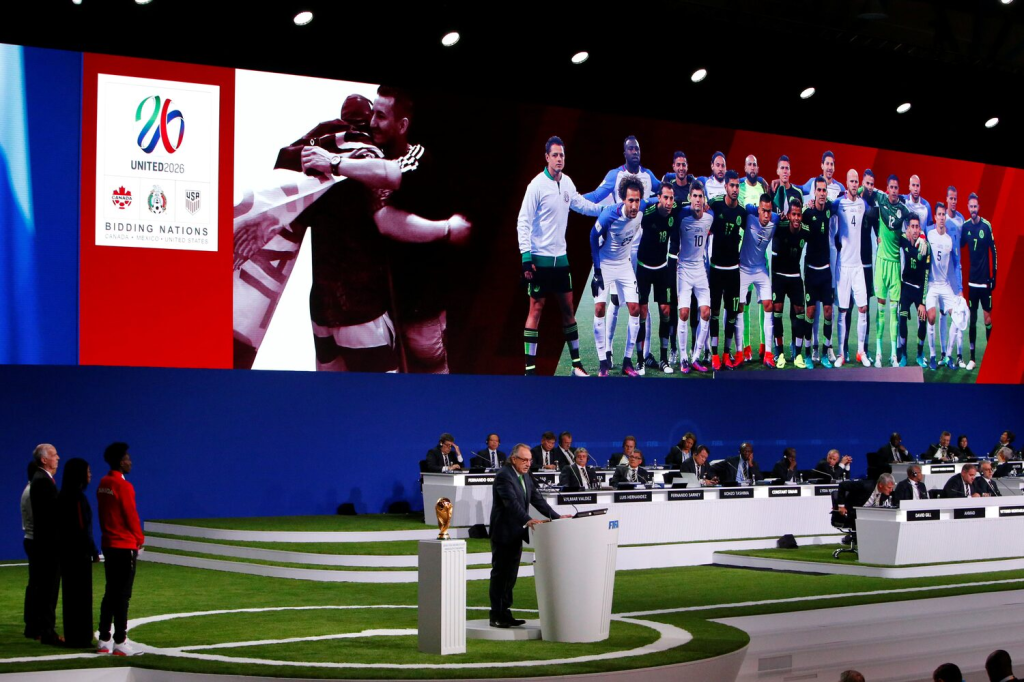
Sponsors and corporate partners play a critical role in reinforcing ethical practices. Beyond providing financial support and branding, sponsors are increasingly expected to ensure that their involvement does not contribute to human rights abuses. This requires monitoring labor conditions in contracted services, enforcing codes of conduct with subcontractors, and supporting transparent reporting mechanisms. Collaboration among FIFA, commercial entities, and local authorities is essential to identify and mitigate risks proactively, ensuring that ethical standards are maintained at all levels of operation.
The tournament’s extensive and multi-tiered supply chain presents unique governance challenges. Infrastructure development, security services, catering, merchandising, and technological support often involve multiple layers of subcontractors, each operating under different regulatory and contractual standards. Human rights due diligence in this context necessitates comprehensive risk assessments, contractual clauses enforcing ethical practices, continuous monitoring, and independent verification. Historical examples demonstrate that failure to enforce these measures can result in systemic labor exploitation, safety violations, and significant reputational damage affecting all parties. Ensuring adherence to standards across the supply chain is therefore critical to both protecting workers and preserving the integrity of the World Cup as a socially responsible event.
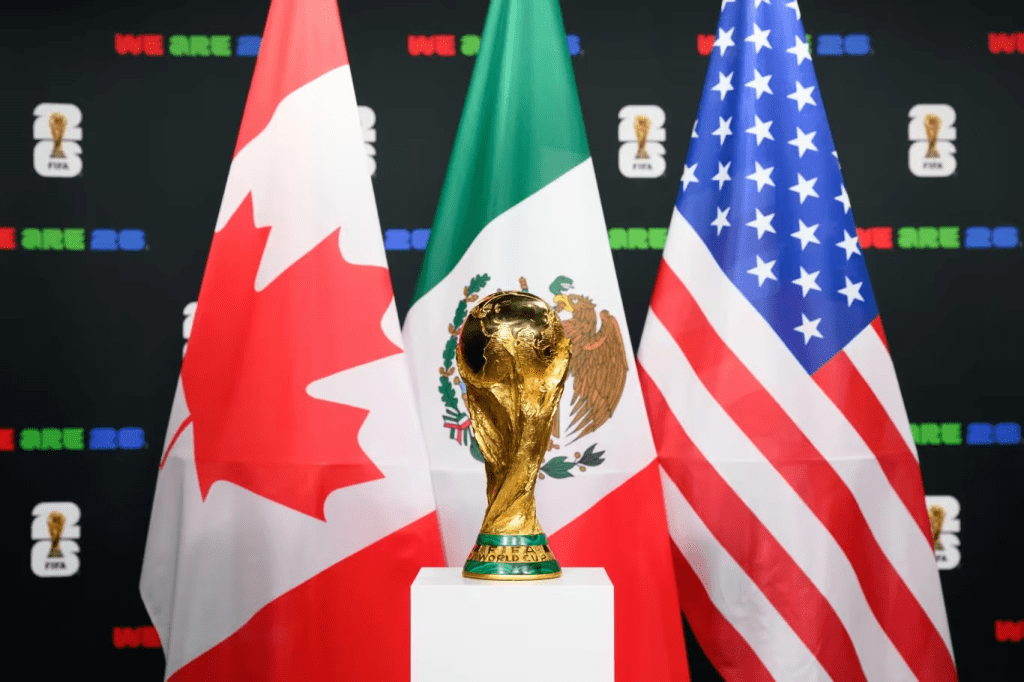
The long-term impact of the tournament on host communities also requires careful consideration. Security infrastructure, public space modifications, and labor practices implemented for the event can have lasting effects beyond the tournament itself. Ethical governance demands that these interventions respect human rights not only during the event but also in the post-tournament context. Sustainable practices, transparent reporting, and accountability mechanisms are essential to mitigate potential negative consequences and to provide a lasting positive legacy for local populations.
Integrating these dimensions into a coherent governance framework necessitates coordination among multiple stakeholders. FIFA, local organizing committees, host governments, sponsors, civil society organizations, and independent monitors must work collaboratively to ensure compliance with labor standards, accessibility, freedom of expression, and safety protocols. Transparent human rights action plans, proactive enforcement of standards, and mechanisms for independent oversight are crucial. The multi-jurisdictional nature of the tournament underscores the importance of harmonized policies that respect the legal frameworks of each host country while maintaining consistent protections for all participants, workers, and visitors.
Ultimately, the 2026 FIFA World Cup represents an unprecedented opportunity to demonstrate that mega sporting events can function as inclusive, rights-respecting platforms. Success depends on proactive governance, rigorous oversight, and continuous engagement with civil society. Effective implementation of human rights policies, accountability mechanisms, and transparent reporting will ensure that the tournament sets a benchmark for ethical practice in international sport. Conversely, failure to address these responsibilities risks systemic violations, reputational damage, and diminished credibility for FIFA and the host nations, undermining the broader legitimacy of global sports governance.
In conclusion, the preparation and execution of the 2026 FIFA World Cup highlight the complex interplay of sport, human rights, and international governance. While the tournament has the potential to exemplify inclusive and ethically responsible practices, achieving this goal requires sustained commitment from all stakeholders. Lessons learned from the 2026 World Cup will likely shape the governance of future mega sporting events, establishing standards for the integration of human rights considerations into international sport and providing a model of accountability that transcends national and commercial interests. By addressing labor protections, accessibility, freedom of expression, security, supply chain integrity, and long-term community impact, the World Cup can serve not only as a global celebration of football but also as a test case for the ethical management of large-scale international events.
To sum up..; the 2026 FIFA World Cup represents both a historic sporting milestone and a critical test of ethical governance in international sport. The tournament’s unprecedented scale, multi-jurisdictional complexity, and global visibility place significant responsibilities on FIFA, host governments, sponsors, and all stakeholders involved. Ensuring the protection of labor rights, accessibility for fans and journalists, freedom of expression, and robust supply chain oversight is not only a legal and ethical obligation but also essential to maintaining the credibility and legitimacy of the event. By proactively integrating human rights frameworks, fostering transparency, and establishing independent monitoring mechanisms, the World Cup can serve as a model for future mega sporting events, demonstrating that global sport can simultaneously celebrate athletic achievement and uphold fundamental rights. Failure to address these challenges, however, risks systemic violations, reputational damage, and diminished public trust—highlighting that the true success of the tournament will ultimately be measured not only in goals scored on the pitch but also in the ethical and rights-respecting manner in which the event is conducted.
Comprehensive Analysis of the Oversight of Oranga Tamariki System Legislation Amendment Act 2025
On 30 June 2025, New Zealand’s Parliament enacted the Oversight of Oranga Tamariki System Legislation Amendment Act 2025 (the 2025 Act), a pivotal piece of legislation aimed at reforming the oversight and advocacy structures within the Oranga Tamariki system. This system, formerly known as the Ministry for Children, is responsible for child welfare and protection services in New Zealand. The 2025 Act introduces significant changes to the governance and operational frameworks of both the Independent Children’s Monitor and the Children’s Commissioner, with the overarching goal of enhancing the independence and effectiveness of child advocacy and oversight mechanisms.

The 2025 Act amends two key pieces of legislation:
- Oversight of Oranga Tamariki System Act 2022: Established the Independent Children’s Monitor within the Education Review Office to oversee Oranga Tamariki’s operations.
- Children and Young People’s Commission Act 2022: Replaced the Children’s Commissioner with a multi-member board known as the Children and Young People’s Commission.
These reforms were initially implemented by the Labour government in 2022 but faced criticism from various stakeholders, including opposition parties and child advocacy groups, who expressed concerns about the reduced independence and clarity in advocacy roles. The 2025 Act seeks to address these concerns by restructuring the oversight and advocacy bodies.
Key Provisions of the 2025 Act
1. Independent Children’s Monitor as an Independent Crown Entity
The 2025 Act re-establishes the Independent Children’s Monitor as an independent Crown entity, governed by a three-member board, which may include a judge. This move aims to enhance the Monitor’s autonomy and credibility, ensuring it can effectively oversee Oranga Tamariki’s compliance with national care standards and related regulations. The current Chief Executive, Arran Jones, will continue in his role during the transition period until 31 July 2026.
2. Restoration of the Children’s Commissioner
The Act dissolves the Children and Young People’s Commission and reinstates the position of the Children’s Commissioner as an independent Crown entity. The Commissioner is required to have knowledge of the Treaty of Waitangi, Māori culture, and tikanga Māori, reflecting New Zealand’s commitment to upholding Māori rights and perspectives in child advocacy. The Governor-General, on the advice of the Minister for Social Development and the Children’s Commissioner, can appoint a Deputy Children’s Commissioner.
3. Enhanced Accountability and Compliance
The 2025 Act strengthens accountability measures for agencies subject to the Independent Children’s Monitor’s oversight. It mandates these agencies to respond to the Monitor’s annual reports on compliance with the Oranga Tamariki (National Care Standards and Related Matters) Regulations 2018, thereby fostering a culture of transparency and continuous improvement within the child welfare system.
The 2025 Act was introduced into Parliament by Minister of Social Development and Employment, Louise Upston, on 31 October 2024. It passed its first reading on 5 November 2024 with the support of all parties. The bill underwent a select committee process, during which stakeholders provided feedback, leading to minor amendments. The second and third readings occurred on 24 June 2025, with the bill passing with the support of all parties except Te Pāti Māori, which opposed the bill on the grounds that it did not adequately involve Māori communities and did not address historical injustices related to the treatment of Māori children in state care.
The provisions of the 2025 Act came into force on 1 August 2025. During the transition period, existing leaders of the Independent Children’s Monitor and the Children’s Commissioner will continue in their roles to ensure a smooth handover and maintain stability within the child welfare system.
Criticisms and Controversies
Despite the broad support for the 2025 Act, it has faced criticism from various quarters:
- Te Pāti Māori: The party argues that the Act undermines the voice of Māori communities and neglects the Crown’s obligations under the Treaty of Waitangi.
- Labour Party: While supporting the intent to enhance the Monitor’s independence, Labour expressed concerns about reverting to a single Children’s Commissioner, fearing a loss of diversity in representation.
- Child Advocacy Groups: Some organizations contend that the reforms do not go far enough in addressing systemic issues within the Oranga Tamariki system and that more radical changes are necessary to ensure the safety and well-being of children in care.
The Oversight of Oranga Tamariki System Legislation Amendment Act 2025 represents a significant shift towards strengthening the independence and accountability of New Zealand’s child welfare oversight bodies. By re-establishing the Independent Children’s Monitor as an independent Crown entity and restoring the role of the Children’s Commissioner, the Act aims to provide clearer advocacy and more robust oversight mechanisms. However, ongoing debates highlight the complexities involved in reforming child welfare systems, particularly concerning the inclusion of Māori perspectives and the need for comprehensive systemic change.
In a case specific to the 5th Criminal Court of Rome in Italy;
“If the suspect manually harasses the woman in less than 10 seconds, this is not harassment.”
So to speak, the establishment of the verdict brought the country to its feet.
Antonio Avola, 66, senior janitor/high school custodian of the Roberto Rossellini Cine TV Institute, was acquitted by the 5th Criminal Chamber of the Rome Court of the crime of groping a minor student at school.
The event dates back to April 2022. The prosecutor of the 5th Criminal Court of Rome requested a prison sentence of 3 years and 6 months for the suspect Avola, on the grounds of sexual assault within the scope of sexual immunity and physical crimes.
According to Avola’s defense during the trial; The contact lasted only a few seconds, was a non-malicious and accidental gesture, “almost a joke”.
The judges who acquitted the defendant stated that they decided to acquit him “because it did not constitute a real criminal charge.”
According to the judges, even though “touching” took place, the action taken in a short period of time between “5 and 10 seconds” was not enough for the act itself to constitute “harassment”!?
The girl who was the victim described the events differently;
According to that; While he was on the stairs, someone put his hand down his trousers and started to lift him up, which he noticed and frightened him. When he turned around, he encountered the 66-year-old. The man said to himself; He followed her by saying, “I love you, you loved me too, but you know I was joking.” A friend of his also witnessed the incident from beginning to end.
Ads
REPORT THIS AD
In the defendant’s statement; He admitted that he picked up the girl from the ground, but; He denied putting his hand in his pants. He said that if there was contact with private parts, ‘it was only by accident, without any “lustful” desire.
The judges’ decision was based on the belief and assumption that the doorman had no intention of harassing the young woman, while believing the girl’s story. According to the court panel, this was “just a lustless, incompetent maneuver”. The acquittal of Antonio Avola brought about a variety of reactions that questioned the interpretation of truth and concrete evidence and the perception of the boundary between jokes and harassment.
The anger caused by this incident in Italy is not actually a first, but; For example, in similar cases, the judicial process took place much more soundly; History when sports reporter Greta Beccaglia, assigned to the Empoli-Fiorentina match, was harassed by a fan on live broadcast; It was November 2021.
The video of this action, which immediately went viral, became the signal for a real wave of anger in Italy and Europe. The journalist initiated the judicial process for the harassment incident he suffered and achieved an exemplary result for everyone. The case against Andrea Serrani, who was responsible for the dastardly act, resulted in a conviction.
The Florence Court made the decision; In a historic sentence, he acknowledged that this was “a clear act of sexual violence that leaves no room for any exceptions” and rejected the idea that it was a simple “fan outburst” and sentenced him to 1 year and 6 months in prison, which was subsequently suspended in accordance with the Italian execution law and based on the obligation to pay compensation. It was transformed into a requirement for people convicted of sexual violence to attend recovery courses.
When I contacted my Italian lawyer colleagues about the issue, they explained that in Italy, the pure crime of “sexual harassment” is not included in the law, and the committees have ruled on this issue within the framework of fairness.
Actually, perhaps the most interesting part of the matter is this; Bill No. 89, which was presented as the first signatory by deputy Valeria Valente, a member of the Senate of the Republic of Italy, could not be tabled in the senate. Because this proposal text contains such phrases that the delegations will not need to comment on the issue we are talking about, but; This bill could not be discussed in the Senate and was left open to interpretation, and eventually the situation came to this point.

If you are curious about the relevant bill submitted to the Senate and request, I can send it as a .pdf file and share it with its translation.
It is of course essential that judges, who make a decision on a specific case, regardless of village, city or country, and sometimes prosecutors in some countries, act by remembering that they are human beings, in addition to their professional knowledge, experience and equipment;
I should also add that just as decisions of this kind cause outrage in society, they also regularly trigger and deepen the trauma experienced by the victim. Likewise, in proportion to the severity of the criminal sentence, the person/persons who are victimized become more attached to life, their belief in justice becomes stronger, and in similar examples, it provides a ray of hope for people and makes individuals feel much stronger.
Latest figures from the EU Fundamental Rights Agency (FRA) revealed that 70 percent of Italian women who were harassed between 2016 and 2021 did not report the incident.
When considered together with these statistics, the gravity of the situation is revealed more clearly for Italy; Of course, it is not a good indicator for Italy that 7 out of 10 women are subjected to harassment and cannot explain the abuse, and that those who do not remain silent and show courage cannot receive a fair and prompt favorable decision within the judicial process.
Finally, I would like to ask the Italian delegation that made this decision.
Who decides that 10 seconds is not a long time?
Who counts the seconds when being harassed?
