
The 2026 FIFA World Cup and Human Rights: Governance, Accountability, and Ethical Challenges
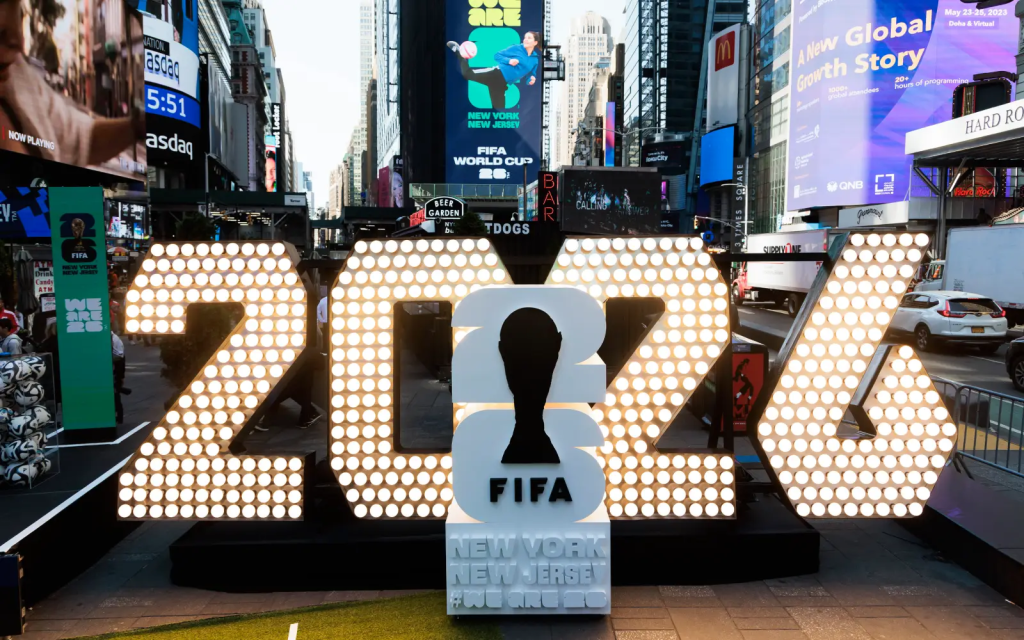
The upcoming 2026 FIFA World Cup, to be jointly hosted by the United States, Canada, and Mexico, represents a pivotal moment in the intersection of international sport and human rights. As the largest football tournament in history, featuring 48 national teams across multiple jurisdictions, the event not only attracts global attention from fans and media but also imposes significant ethical and legal responsibilities on FIFA, host governments, and associated stakeholders. While previous tournaments have focused primarily on athletic competition and commercial outcomes, contemporary expectations increasingly demand that mega sporting events adhere to internationally recognized human rights standards. The Sport & Rights Alliance, along with other civil society organizations, has publicly called on FIFA to ensure that the 2026 World Cup is genuinely inclusive, safe, and respectful of fundamental rights. These organizations have identified a range of potential challenges, including restrictive visa and immigration policies that may hinder fan attendance, limitations on journalistic access, insufficient protection of workers involved in tournament preparation, and restrictions on freedom of expression and protest. They have emphasized that many host cities have not yet published comprehensive human rights action plans, thereby undermining transparency and accountability in tournament governance.
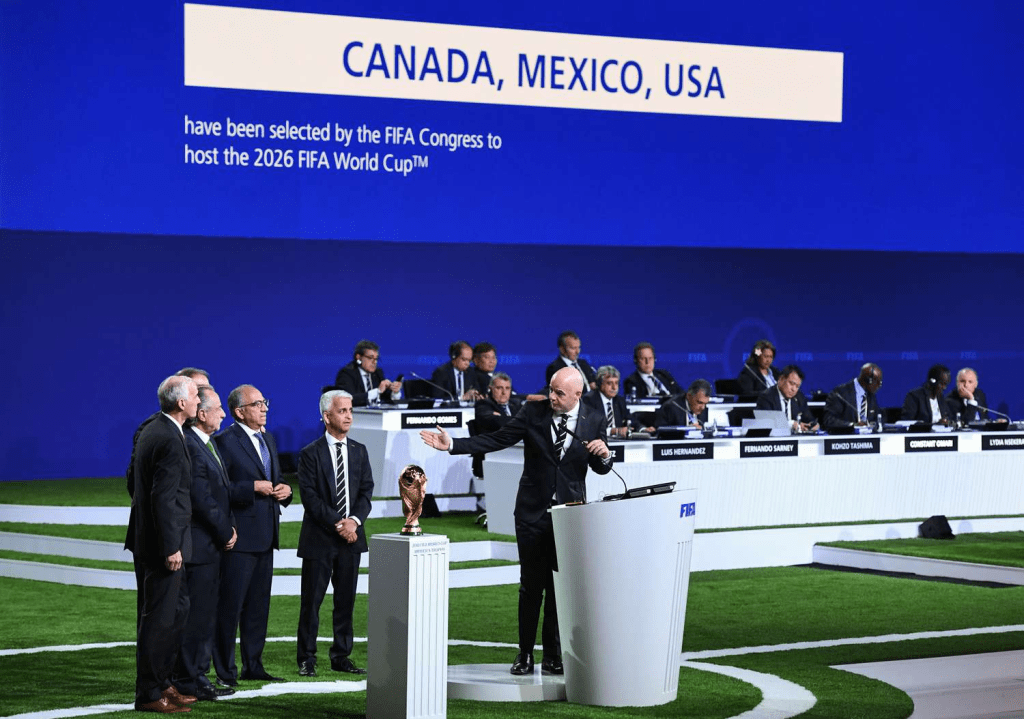
Historically, sports governing bodies like FIFA operated with significant autonomy, insulated from external legal or political oversight. This model of independence, rooted in the belief that sport exists outside the realm of politics, has been eroded by globalization, commercial pressures, and widespread public scrutiny. Today, international federations manage extensive commercial operations, coordinate multi-jurisdictional logistics, and exert influence over diverse stakeholder groups, including national governments, sponsors, and local communities. Consequently, they are increasingly held accountable for the social and ethical consequences of their events. The adoption of FIFA’s Human Rights Policy in 2017 marked a formal recognition that the organization bears responsibilities beyond the field of play. Grounded in the United Nations Guiding Principles on Business and Human Rights, the policy obliges FIFA to identify, prevent, and mitigate adverse human rights impacts associated with its activities, while ensuring access to remedy for affected individuals. Although this framework represents a significant step forward, its implementation remains challenging, particularly in the context of a tournament that spans three countries with divergent legal, regulatory, and political environments.
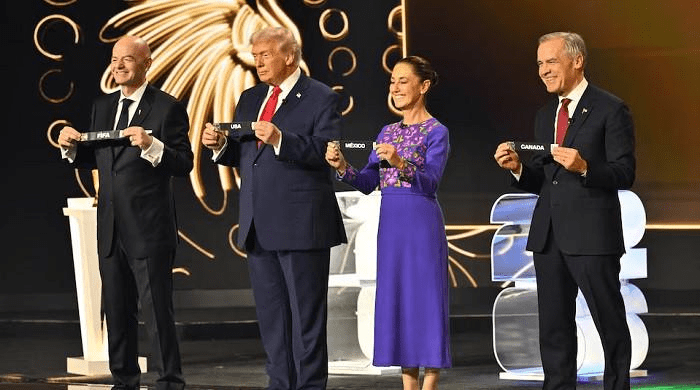
The multi-jurisdictional nature of the 2026 World Cup complicates the enforcement of human rights standards. Immigration regimes, labor protections, and civil liberties differ markedly between the United States, Canada, and Mexico, raising the possibility that fans, athletes, and journalists may encounter inconsistent access rights. Labor laws and protections for workers engaged in stadium construction, security operations, hospitality, and infrastructure projects vary across federal, state, and municipal lines, presenting challenges to the consistent application of ethical standards designed to prevent exploitation. Constitutional and statutory guarantees for civil liberties, including freedom of expression and assembly, are interpreted and enforced differently in each host country, creating potential disparities in the exercise of these rights during the tournament. These factors underscore the necessity for FIFA and local organizing committees to develop harmonized governance mechanisms capable of bridging legal and regulatory differences while ensuring respect for fundamental rights.
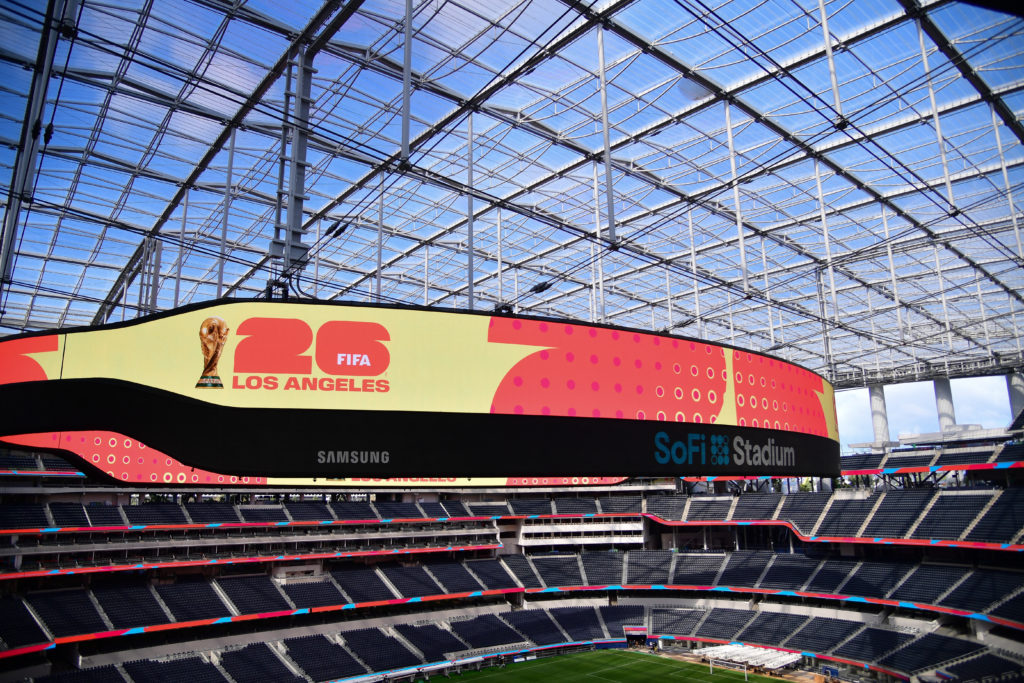
The protection of workers engaged in World Cup infrastructure projects represents a central concern. Lessons from previous tournaments, particularly the 2022 FIFA World Cup in Qatar, have highlighted systemic vulnerabilities in migrant and temporary labor, including low wages, unsafe working conditions, exploitative contracts, and limited access to grievance mechanisms. Ensuring compliance with labor standards requires effective monitoring systems, coordination across multiple employers and subcontractors, and alignment with both international labor norms and domestic laws. FIFA’s Human Rights Policy and the UN Guiding Principles emphasize that sports organizations are responsible for preventing human rights violations throughout the supply chain. Sponsors and commercial partners are equally accountable, with obligations to enforce ethical codes, conduct independent audits, and support transparency mechanisms. Failure to uphold these standards exposes workers to harm, risks reputational damage, and undermines the credibility of FIFA, host governments, and corporate stakeholders alike.
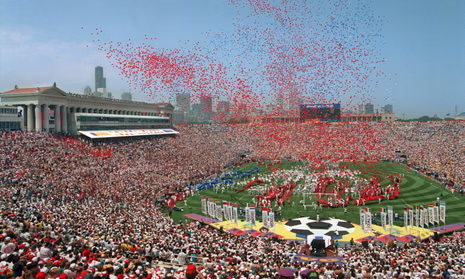
Accessibility for international fans and journalists is another critical dimension of human rights. Visa restrictions, border controls, and immigration enforcement can create barriers that disproportionately affect certain communities, particularly those from politically sensitive or economically disadvantaged regions. Journalists require unimpeded access to facilities, sources, and public spaces to investigate labor conditions, governance practices, and incidents affecting civil liberties. Without robust guarantees of press freedom, reporting may be restricted, limiting public accountability and reducing confidence in FIFA’s commitments.

Freedom of expression and protest rights intersect with both governance and security considerations. Mega sporting events inevitably attract political attention, and athletes, fans, and civil society actors may wish to voice concerns related to social justice, labor conditions, or governmental policies. Restrictions on banners, chants, symbolic gestures, or public demonstrations, while sometimes justified on security grounds, risk marginalizing legitimate civic engagement and undermining the inclusivity and ethical legitimacy of the tournament. Security measures must balance public safety with proportionality and respect for civil liberties. Oversight mechanisms, independent monitoring, and clear reporting structures are essential to ensure that security objectives do not compromise fundamental rights. This balance is particularly delicate in a multi-jurisdictional context, where legal protections for civil liberties vary among host countries. Harmonizing standards across these jurisdictions is necessary to achieve consistent human rights compliance.

The 2026 FIFA World Cup therefore represents a comprehensive test of the capacity of international sporting organizations to integrate human rights principles into practice. Effective governance requires transparent publication of human rights action plans, proactive mitigation of labor, security, and accessibility risks, and the establishment of independent monitoring mechanisms. Coordination among FIFA, host governments, local organizing committees, sponsors, and civil society actors is critical to ensure accountability, prevent harm, and uphold ethical standards. By demonstrating rigorous enforcement of human rights obligations, the World Cup can serve as a model for future mega sporting events. Conversely, failure to address these challenges risks systemic harm, legal challenges, and long-term reputational consequences.
The governance of the tournament extends beyond immediate operational concerns to encompass the responsibilities of FIFA, sponsors, and the broader supply chain associated with the 2026 World Cup. FIFA, as the primary organizing body, bears ultimate responsibility for ensuring that all aspects of the event comply with internationally recognized human rights standards. This includes both the direct activities of the organization and the conduct of contractors, subcontractors, and commercial partners. FIFA’s 2017 Human Rights Policy establishes the obligation to conduct due diligence, prevent harm, and provide remedies where violations occur, extending accountability throughout the operational ecosystem of the tournament.
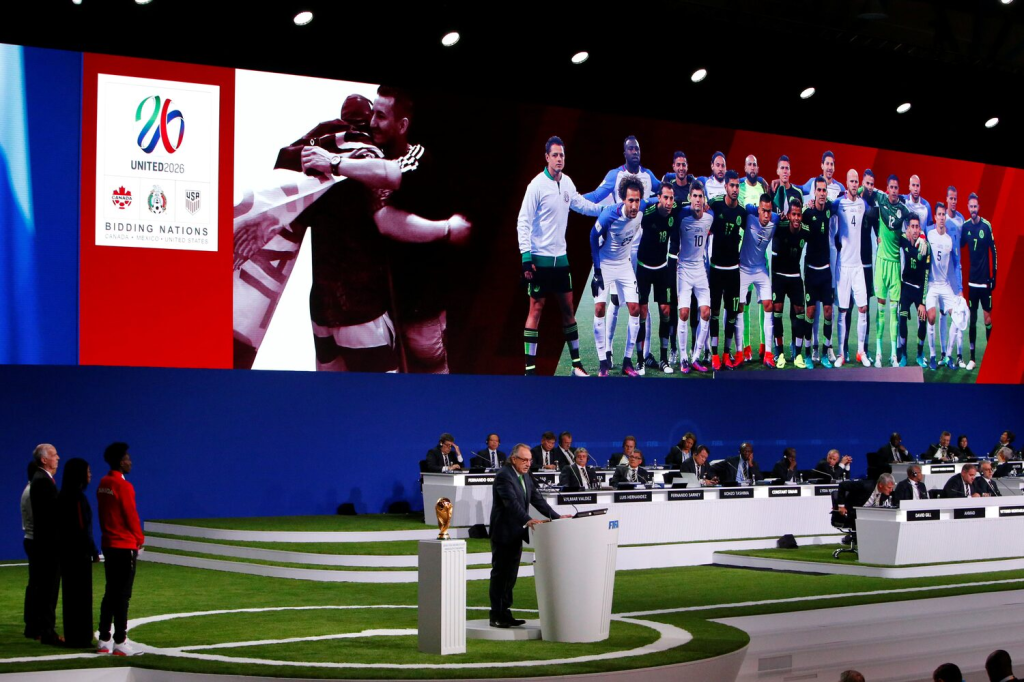
Sponsors and corporate partners play a critical role in reinforcing ethical practices. Beyond providing financial support and branding, sponsors are increasingly expected to ensure that their involvement does not contribute to human rights abuses. This requires monitoring labor conditions in contracted services, enforcing codes of conduct with subcontractors, and supporting transparent reporting mechanisms. Collaboration among FIFA, commercial entities, and local authorities is essential to identify and mitigate risks proactively, ensuring that ethical standards are maintained at all levels of operation.
The tournament’s extensive and multi-tiered supply chain presents unique governance challenges. Infrastructure development, security services, catering, merchandising, and technological support often involve multiple layers of subcontractors, each operating under different regulatory and contractual standards. Human rights due diligence in this context necessitates comprehensive risk assessments, contractual clauses enforcing ethical practices, continuous monitoring, and independent verification. Historical examples demonstrate that failure to enforce these measures can result in systemic labor exploitation, safety violations, and significant reputational damage affecting all parties. Ensuring adherence to standards across the supply chain is therefore critical to both protecting workers and preserving the integrity of the World Cup as a socially responsible event.
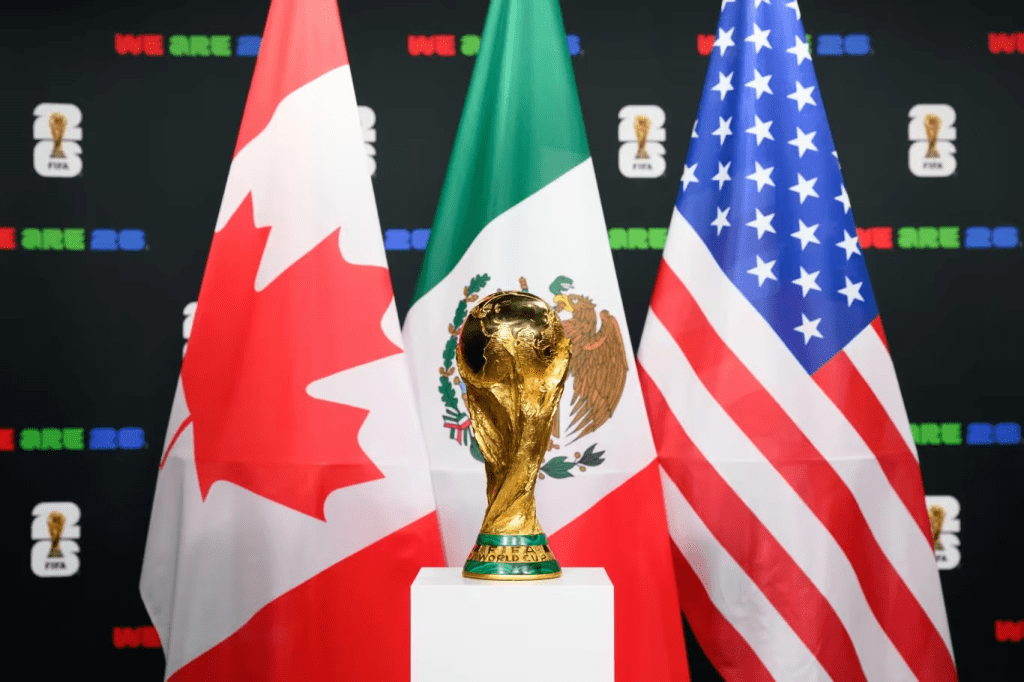
The long-term impact of the tournament on host communities also requires careful consideration. Security infrastructure, public space modifications, and labor practices implemented for the event can have lasting effects beyond the tournament itself. Ethical governance demands that these interventions respect human rights not only during the event but also in the post-tournament context. Sustainable practices, transparent reporting, and accountability mechanisms are essential to mitigate potential negative consequences and to provide a lasting positive legacy for local populations.
Integrating these dimensions into a coherent governance framework necessitates coordination among multiple stakeholders. FIFA, local organizing committees, host governments, sponsors, civil society organizations, and independent monitors must work collaboratively to ensure compliance with labor standards, accessibility, freedom of expression, and safety protocols. Transparent human rights action plans, proactive enforcement of standards, and mechanisms for independent oversight are crucial. The multi-jurisdictional nature of the tournament underscores the importance of harmonized policies that respect the legal frameworks of each host country while maintaining consistent protections for all participants, workers, and visitors.
Ultimately, the 2026 FIFA World Cup represents an unprecedented opportunity to demonstrate that mega sporting events can function as inclusive, rights-respecting platforms. Success depends on proactive governance, rigorous oversight, and continuous engagement with civil society. Effective implementation of human rights policies, accountability mechanisms, and transparent reporting will ensure that the tournament sets a benchmark for ethical practice in international sport. Conversely, failure to address these responsibilities risks systemic violations, reputational damage, and diminished credibility for FIFA and the host nations, undermining the broader legitimacy of global sports governance.
In conclusion, the preparation and execution of the 2026 FIFA World Cup highlight the complex interplay of sport, human rights, and international governance. While the tournament has the potential to exemplify inclusive and ethically responsible practices, achieving this goal requires sustained commitment from all stakeholders. Lessons learned from the 2026 World Cup will likely shape the governance of future mega sporting events, establishing standards for the integration of human rights considerations into international sport and providing a model of accountability that transcends national and commercial interests. By addressing labor protections, accessibility, freedom of expression, security, supply chain integrity, and long-term community impact, the World Cup can serve not only as a global celebration of football but also as a test case for the ethical management of large-scale international events.
To sum up..; the 2026 FIFA World Cup represents both a historic sporting milestone and a critical test of ethical governance in international sport. The tournament’s unprecedented scale, multi-jurisdictional complexity, and global visibility place significant responsibilities on FIFA, host governments, sponsors, and all stakeholders involved. Ensuring the protection of labor rights, accessibility for fans and journalists, freedom of expression, and robust supply chain oversight is not only a legal and ethical obligation but also essential to maintaining the credibility and legitimacy of the event. By proactively integrating human rights frameworks, fostering transparency, and establishing independent monitoring mechanisms, the World Cup can serve as a model for future mega sporting events, demonstrating that global sport can simultaneously celebrate athletic achievement and uphold fundamental rights. Failure to address these challenges, however, risks systemic violations, reputational damage, and diminished public trust—highlighting that the true success of the tournament will ultimately be measured not only in goals scored on the pitch but also in the ethical and rights-respecting manner in which the event is conducted.
Av. Bilge Kaan ÖZKAN 'ın kaleminden.. sitesinden daha fazla şey keşfedin
Son gönderilerin e-postanıza gönderilmesi için abone olun.
