
MLS, Polymarket, and the Ethics of Sports Betting: A Deep Dive

The timing of Major League Soccer’s (MLS) recent disciplinary actions could hardly have been worse—or perhaps it was karmically inevitable. Forty-two days after announcing a partnership with Polymarket, a prediction platform allowing users to bet on virtually anything—from game outcomes to geopolitical events—MLS suspended two former Ghanaian players, Derrick Jones and Yaw Yeboah, for life due to their gambling on matches, including bets on their own teams.
Jones’ contract with Columbus Crew had already been declined on November 26, while Yeboah’s tenure at LAFC ended by mutual agreement on January 16, after which he signed with Qingdao Hainiu in the Chinese Super League—a league itself embroiled in match-fixing scandals with nine clubs starting the season with points deductions.
MLS cited alerts from its integrity partners and hired a law firm to investigate. The inquiry revealed that both players had engaged in extensive gambling over the 2024 and 2025 seasons, including wagers on whether Jones would receive a yellow card during an October 19, 2024 match. More alarmingly, they shared information regarding potential manipulations with other bettors. The investigation began in October 2025, placing both players on administrative leave while the league remained aware of its exposure to match manipulation before publicizing the Polymarket partnership.
Gary Stevenson, MLS deputy commissioner, described the deal as an “innovative fan engagement format,” framing prediction markets as a way to evolve the league globally. Yet, this announcement occurred amid ongoing investigations, creating an optics problem that MLS seemed willing to overlook in pursuit of revenue and fan interaction.
2. Historical Context and the American Sports Betting Landscape
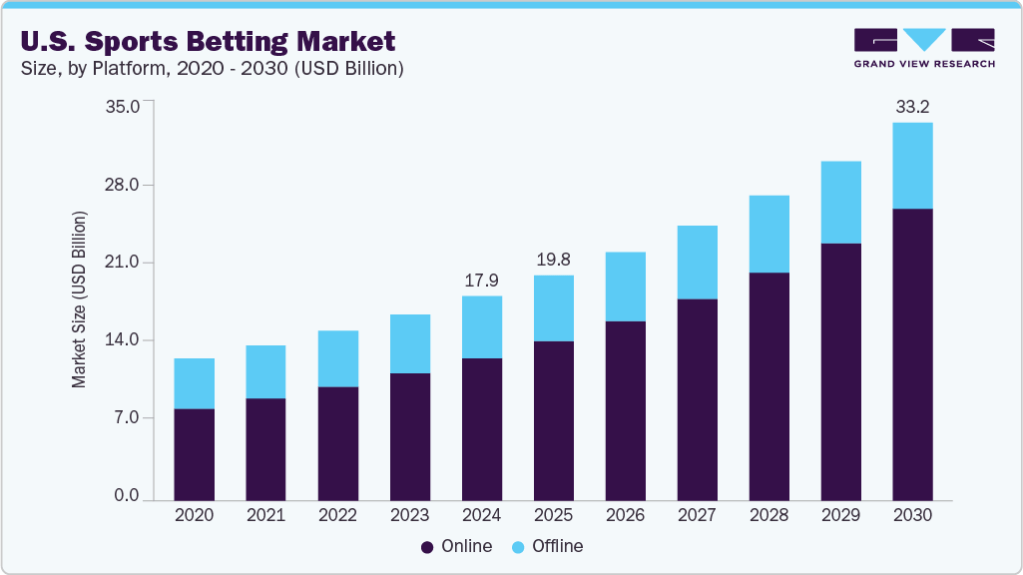
Sports betting in the United States has undergone seismic changes in the last decade. The 2018 Supreme Court decision in Murphy v. NCAA effectively overturned the federal ban on state-authorized sports betting, opening the floodgates for regulated gambling across multiple leagues. Before this ruling, players, coaches, and officials were largely prohibited from engaging in any gambling connected to their sport, under strict liability rules enforced by leagues such as the NFL, NBA, and MLS.
The Jones and Yeboah cases are emblematic of the tension between newly legitimized betting environments and traditional ethics frameworks. While the Supreme Court enabled states to legalize betting, it did not—and could not—resolve the fundamental ethical conflict of players wagering on outcomes directly involving themselves or their teams. MLS, in theory, mirrors international standards akin to FIFA and UEFA, which strictly prohibit match-related gambling to preserve sporting integrity. Yet the league’s commercial embrace of Polymarket complicates the ethical landscape, blurring the line between fan engagement and potential conflicts of interest.
Historically, similar scandals have erupted across sports worldwide:
- In European football, high-profile match-fixing cases in Italy and Turkey exposed systemic vulnerabilities in player monitoring and regulatory enforcement.
- In American baseball, the 1919 Black Sox scandal illustrates the catastrophic effects when athletes exploit insider knowledge for financial gain.
- More recently, European basketball leagues have also uncovered players and referees involved in illegal betting rings, reinforcing the global pattern: where gambling markets thrive, the risk to sporting integrity intensifies.
The MLS incidents reveal that even in regulated, well-resourced leagues, the threat of manipulation is real, especially when external platforms like Polymarket incentivize prediction and engagement monetarily.
3. Ethical Dimensions: Player Responsibility and League Accountability
The Jones and Yeboah bans underscore a dual ethical question: one concerning individual responsibility and one regarding institutional accountability.
3.1 Player Ethics
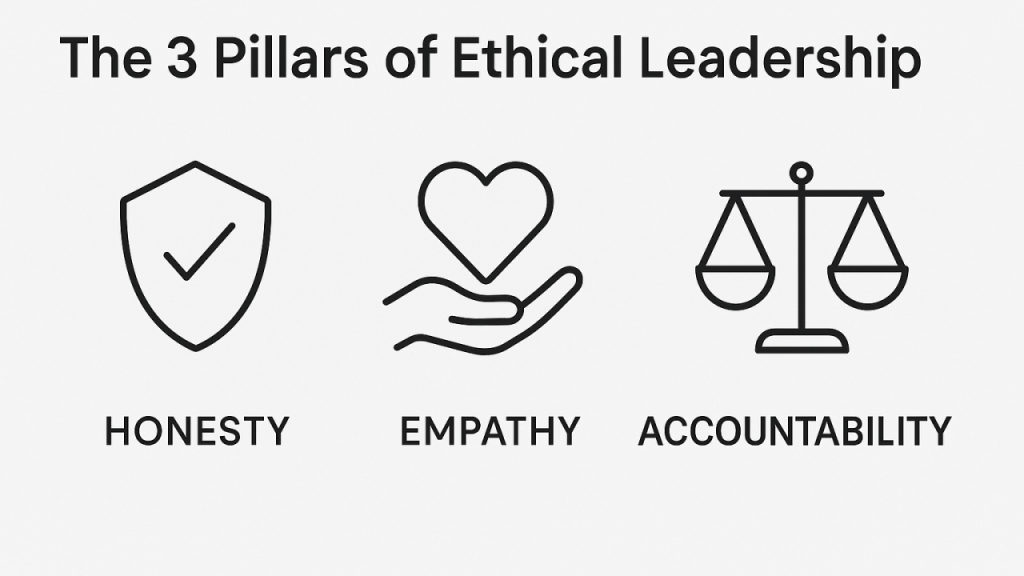
For athletes, the core ethical principle is integrity. Betting on matches in which they participate compromises trust—not only with teammates but also with fans, sponsors, and the broader sporting ecosystem. Ethical guidelines adopted by FIFA, the IOC, and major leagues worldwide stress that even the appearance of a conflict is sufficient to warrant disciplinary action. In this context, the MLS lifetime bans reflect adherence to these standards, emphasizing deterrence over rehabilitation.
However, players’ ethical obligations do not exist in a vacuum. They operate within leagues that now openly partner with betting platforms. If the league encourages fan gambling while simultaneously punishing players for similar engagement, it creates a perception of an ethical double standard. Critics argue that MLS’s Polymarket deal undercuts the moral high ground of its disciplinary actions, exposing a tension between commercial interests and principled enforcement.
3.2 League Ethics
MLS’s ethical dilemma is compounded by the timing of its Polymarket partnership. By launching the deal during an ongoing gambling investigation, the league inadvertently signals tolerance for external wagering. While the initiative was framed as innovative fan engagement, it raises questions: can a league punish players for conduct it implicitly endorses at a commercial level? Does such a partnership protect the integrity of the sport or merely monetize risk?
From a broader perspective, leagues hold a fiduciary duty to safeguard competition integrity. This duty extends beyond rule enforcement to proactive risk mitigation: monitoring, education, and transparent communication. Failure to align commercial partnerships with ethical governance undermines trust in the league and invites scrutiny from regulators, media, and the public.
4. Legal Frameworks and Governance Challenges
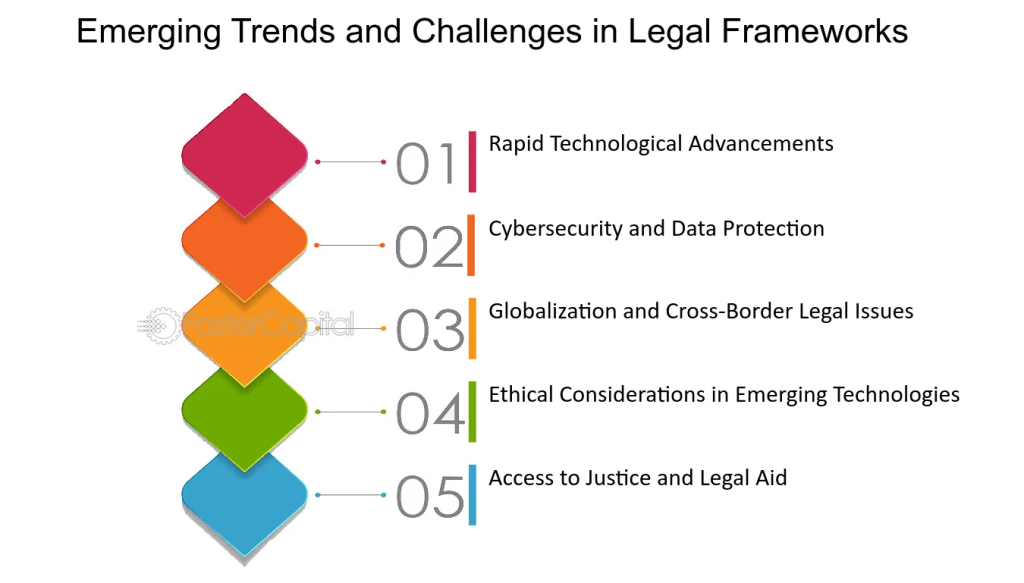
The legal dimension of the MLS-Polymarket controversy is complex, intertwining domestic sports law, federal gambling regulations, and international integrity standards.
4.1 Federal and State Laws
In the United States, the legalization of sports betting at the state level created a patchwork of regulations. States like New Jersey and Colorado have fully licensed sportsbooks, while others maintain partial restrictions. MLS, as a national league, must navigate this fragmented legal landscape to avoid violations of state-specific regulations. While the Supreme Court ruling allowed states to legalize sports betting, it explicitly prohibited athletes from wagering on games in which they are directly involved, a prohibition mirrored in most league policies.
The enforcement of these rules rests both on league monitoring systems and contractual obligations. In the MLS case, alerts generated by integrity partners and subsequent investigations revealed violations that triggered immediate disciplinary action. The league’s ability to impose lifetime bans reflects its contractual authority but also raises questions about due process, especially when external betting platforms operate in legal gray zones.
4.2 Prediction Markets and Legal Ambiguity
Polymarket is a decentralized prediction platform that uses blockchain technology to facilitate wagers on a wide variety of events, including sports. Unlike traditional sportsbooks, prediction markets operate in legal and regulatory gray areas, particularly when bets are placed using cryptocurrency. This creates ambiguity: players may technically comply with federal laws yet violate league-specific rules. MLS’s commercial alignment with Polymarket further complicates enforcement, raising the prospect of legal challenges by players claiming inconsistent standards.
4.3 International Comparisons
Globally, regulatory approaches vary:
- Europe: UEFA and national football associations strictly prohibit players and officials from betting on football matches. CAS (Court of Arbitration for Sport) decisions consistently uphold lifetime bans in cases of betting on one’s own matches.
- Asia: In leagues such as the Chinese Super League, regulators impose penalties on clubs and players for match-fixing but often lack robust monitoring infrastructure for individual betting activity.
- Australia: The A-League enforces both gambling restrictions and mandatory integrity education for players, combining preventative measures with punitive ones.
The MLS scenario highlights the tension between American sports’ commercial flexibility and traditional international governance standards emphasizing absolute integrity.
5. Systemic Implications for Leagues and Stakeholders
The Jones-Yeboah case illustrates broader systemic risks:
5.1 Impact on Sporting Integrity
Even isolated incidents of player betting can erode fan trust. While no evidence suggests that match outcomes were manipulated, the perception of vulnerability is sufficient to affect the league’s reputation. Trust is the currency of professional sport, and any hint of compromised integrity—real or perceived—can have far-reaching consequences, including diminished sponsorship, lower broadcast revenues, and reduced fan engagement.
5.2 Commercial Incentives vs. Ethical Risk
MLS’s commercial strategy, including partnerships with platforms like Polymarket, underscores a fundamental tension: leagues are incentivized to monetize fan engagement but must simultaneously protect competitive integrity. When commercial and ethical imperatives clash, leagues face a difficult choice: prioritize revenue or enforce strict standards. The Polymarket deal may boost revenue but risks long-term reputational damage if fans or regulators perceive a conflict of interest.
5.3 Player Education and Risk Mitigation
One response to gambling-related scandals is proactive player education. Integrity programs, mandatory briefings, and monitoring tools are essential to reduce violations. While MLS has instituted some educational initiatives, the emergence of decentralized platforms like Polymarket demonstrates the need for continuous updating of policies and robust technological oversight.
6. Ethical Analysis and Policy Considerations
The MLS-Polymarket scandal is not just a legal or procedural issue—it strikes at the core ethical principles of professional sport.
6.1 The Player’s Ethical Responsibility
Athletes occupy a privileged and highly visible position. Their actions extend beyond the pitch, influencing fans, sponsors, and the broader sports culture. Betting on matches in which they participate constitutes a direct breach of trust. Even absent evidence of match-fixing, such conduct raises ethical concerns:
- Conflict of Interest: Players’ financial incentives could potentially compromise performance or decision-making.
- Reputational Risk: Fans expect fair competition; betting activity can undermine credibility.
- Professional Standards: Leagues maintain codes of conduct to preserve the sport’s integrity. Violations erode these standards and set a harmful precedent for younger athletes.
6.2 League and Organizational Ethics
MLS faces its own ethical challenge. By partnering with Polymarket while punishing players for similar conduct, the league creates a perceived double standard. Ethical leadership requires coherence: rules applied to players must align with organizational behavior. Leagues that monetize fan betting but penalize player betting risk:
- Undermining fan trust in governance.
- Exposing themselves to legal and reputational scrutiny.
- Weakening internal culture around compliance and integrity.
6.3 Balancing Commercial Innovation and Integrity
While innovative platforms like Polymarket can enhance fan engagement and revenue streams, leagues must adopt structured governance frameworks to balance commercial interests with ethical obligations:
- Clear boundaries between fan-oriented betting and player participation.
- Transparent communication of policies to all stakeholders.
- Independent oversight to avoid conflicts of interest.
7. Global Best Practices and Comparative Lessons
Analyzing international approaches provides guidance for MLS and other leagues navigating similar challenges:
- UEFA/FIFA Model: Zero-tolerance policies for player betting, extensive integrity monitoring, and robust disciplinary enforcement.
- Australian A-League: Integrates proactive education, monitoring, and risk assessments with punitive measures to prevent gambling violations.
- Chinese Super League: Harsh penalties for match-fixing but weaker preventive measures for individual betting; demonstrates the limitations of punishment without education.
Lessons for MLS include:
- Integrating technology-based monitoring to detect suspicious betting patterns.
- Instituting ongoing player education programs focused on emerging betting platforms.
- Aligning commercial partnerships with ethical codes, ensuring that fan engagement tools do not inadvertently normalize prohibited conduct.
8. Potential Reforms and Strategic Recommendations
To prevent similar scandals, leagues like MLS could consider the following reforms:
- Policy Clarification: Update rules to explicitly cover decentralized and crypto-based betting platforms.
- Enhanced Monitoring: Deploy AI-driven systems to track suspicious activity and cross-reference betting patterns with player behavior.
- Ethics Training: Mandatory workshops for players, coaches, and staff on integrity, conflict of interest, and ethical decision-making.
- Commercial Oversight: Ensure that partnerships with betting platforms are subject to rigorous ethical review and do not compromise enforcement credibility.
Such reforms would not only reduce the risk of future incidents but also protect the league’s reputation, reinforce fan trust, and align commercial innovation with ethical governance.
9. Concluding Insights
The MLS-Polymarket case illustrates a critical inflection point for professional sports:
- Legal Compliance Alone Is Not Enough: Ethical considerations are equally vital to preserve trust and integrity.
- Commercial Opportunities Must Align with Core Values: Fan engagement and revenue generation cannot compromise fairness.
- Education and Transparency Are Crucial: Proactive measures, rather than reactive punishment, are essential in a rapidly evolving betting environment.
The lifetime bans of Derrick Jones and Yaw Yeboah serve as a stark reminder of the consequences for players. Simultaneously, MLS must reflect on its own role: how can a league embrace innovative platforms without creating ethical conflicts? How can it maintain credibility when revenue incentives potentially collide with integrity principles?
Ultimately, the scandal underscores a universal truth: the sustainability of professional sport depends not only on legal enforcement but on ethical stewardship and transparent governance. Leagues, players, and fans alike share a collective responsibility to uphold the integrity of the game.
10. Comparative Case Studies: Lessons from Global Sports
| League / Event | Incident | Penalty | Key Takeaways |
|---|---|---|---|
| Italian Serie A (Calciopoli, 2006) | Match-fixing scandal involving Juventus and other clubs | Points deduction, relegation, fines | Showed systemic risks when corruption is institutionalized; highlighted importance of independent monitoring |
| Turkish Süper Lig (2011) | Alleged betting ring with multiple players | Suspensions and fines | Importance of proactive investigation and transparency in disciplinary decisions |
| NBA (1990s) | Individual gambling by players | Fines and suspensions | Demonstrated that individual breaches undermine league credibility even if games are unaffected |
| Australian A-League (2023) | Players sanctioned for online betting | Suspensions + ethics training | Combining education with punishment reduces recurrence |
| MLS (2026, Jones & Yeboah) | Betting on own matches, sharing info | Lifetime bans | Reveals tension between league partnerships (Polymarket) and enforcement; underscores need for aligned governance |
11. Prediction Markets and Emerging Challenges
Platforms like Polymarket introduce unique challenges:
- Decentralization: Unlike traditional sportsbooks, prediction markets may operate outside clear jurisdictional control.
- Cryptocurrency Use: Payments in crypto complicate tracking and enforcement.
- Fan Engagement vs. Risk: The more immersive the betting product, the higher the potential for conflicts of interest among players and staff.
MLS and other leagues must balance technological innovation with integrity safeguards, or risk repeating scandals seen in European football and Asian leagues.
12. Recommendations for Policy and Governance
Based on the MLS case and international comparisons:
- Robust Integrity Programs: Continuous monitoring and AI-assisted detection of suspicious patterns.
- Player Education: Mandatory, recurring ethics and integrity training.
- Transparent Commercial Partnerships: Vetting of betting and prediction platforms before official partnerships.
- Legal Harmonization: Clear alignment between federal/state laws and league policies to avoid ambiguity.
- Fan Communication: Publicly explain rules, disciplinary processes, and ethical standards to maintain trust.
13. Broader Implications for Sport
The MLS-Polymarket scandal serves as a warning to global sport:
- Revenue-driven innovation cannot come at the expense of fairness.
- Ethical misalignment erodes fan confidence, sponsor trust, and long-term league credibility.
- Players, leagues, regulators, and technology platforms must collaboratively safeguard integrity.
The events surrounding MLS, Derrick Jones, Yaw Yeboah, and Polymarket illustrate the intersection of ethics, law, and commercialization in modern sport. The lifetime bans enforce accountability at the individual level, while league partnerships highlight systemic tensions.
This case is not just a domestic or league-specific issue; it resonates globally, underscoring that:
- Ethical consistency is critical for maintaining fan trust.
- Legal frameworks must evolve alongside technological and commercial innovations.
- Education, transparency, and proactive governance are essential to prevent manipulation and preserve the spirit of the game.
As leagues embrace new technologies and platforms to enhance engagement, the MLS scandal reminds us that integrity cannot be traded for innovation. Without clear alignment between commercial, legal, and ethical priorities, professional sport risks undermining the very foundations on which it is built.
As someone who has dedicated my career to the legal and ethical dimensions of sports, observing the MLS-Polymarket case has been both alarming and instructive. From my perspective, the situation illustrates a fundamental tension in modern sports: the race for commercial innovation versus the imperative to preserve integrity.
On one hand, leagues like MLS are right to explore new ways to engage fans and generate revenue. Platforms such as Polymarket provide opportunities for fan interaction and financial growth. Yet, when players are punished for engaging in betting behaviors that are implicitly encouraged at the league level, we face a dangerous ethical contradiction. The perception of double standards undermines the very trust upon which sport is built.
Legally, the MLS decision to impose lifetime bans on Derrick Jones and Yaw Yeboah is justifiable under league regulations. Ethically, it underscores the ongoing need for coherence between league policies, commercial partnerships, and player conduct. As someone who works in sports law, I see this as a pivotal moment: leagues worldwide must ensure that their rules, governance structures, and commercial strategies align in a way that fully safeguards sporting integrity.
Ultimately, the MLS-Polymarket scandal is more than a disciplinary case; it is a reminder that integrity, transparency, and ethical consistency must guide the evolution of professional sport. Revenue and innovation cannot substitute for trust, and without that trust, the very essence of the game is at risk.
— Bilge Kaan Özkan
Av. Bilge Kaan ÖZKAN 'ın kaleminden.. sitesinden daha fazla şey keşfedin
Son gönderilerin e-postanıza gönderilmesi için abone olun.
