
Why the death of ”Gavin Peterson” forced me to rethink ‘Child Protection Systems’

When I read about the death of twelve-year-old Gavin Peterson in Utah, I found myself confronting a deeply uncomfortable question: How can a child suffer years of abuse in a modern society with functioning institutions and still remain invisible to the system meant to protect him? The tragedy did not occur in a legal vacuum. On the contrary, it happened within a developed legal framework that already includes child welfare agencies, police authorities, courts, and mandatory reporting mechanisms. Yet despite these structures, Gavin Peterson reportedly endured years of mistreatment, isolation, and malnutrition before his death in 2024.
This case forced me to rethink the effectiveness of contemporary child protection systems. I realized that the problem is often not the absence of institutions, but rather the limits placed on their ability to act when suspicion exists but concrete proof is difficult to obtain. Authorities may receive reports, hear rumors, or notice warning signs, but legal barriers sometimes prevent them from directly verifying whether a child is in danger. The gap between suspicion and proof can become a dangerous space where abuse continues unchecked.
The legislative response in Utah—SB124—attempts to close this gap by introducing the idea of “investigative warrants.” These warrants would allow child welfare officials or law enforcement to check on a child’s welfare when credible concerns exist but access to the child has been denied. The proposal raises an important legal and ethical dilemma that I find myself grappling with:
How much power should the state have when it suspects a child may be in danger?
On one hand, the case of Gavin Peterson demonstrates what can happen when authorities cannot act quickly enough. Reports indicate that multiple warning signs were raised over several years. Yet officials reportedly struggled to gain access to the child. In such circumstances, the legal framework intended to protect family autonomy may unintentionally shield abuse from scrutiny.
On the other hand, expanding state authority over families carries its own risks. History shows that government intervention in private family life can sometimes be excessive, discriminatory, or based on mistaken assumptions. Critics of SB124 argue that granting investigative powers based on predictive concerns rather than proven abuse could lead to unjustified intrusions into family life. As someone who studies law and governance, I recognize that this fear is not entirely unfounded.
This tension—between protecting children and preserving parental rights—is one of the most complex dilemmas in child protection law. Every society must decide how to balance these competing values. Too little intervention can leave vulnerable children unprotected. Too much intervention can undermine the autonomy and integrity of families.
What makes the Gavin Peterson case particularly disturbing to me is the element of prolonged invisibility. According to lawmakers discussing the bill, there was reportedly a period during which no one saw the child for an entire year. In a society where schools, medical systems, and community networks usually act as safeguards, such isolation suggests a breakdown in multiple layers of protection.
As I reflect on this case, I realize that child protection systems often depend on access—access to the child, access to information, and access to the home environment. When access is blocked, institutions may become powerless even when suspicion exists. The proposed investigative warrants in SB124 appear to be an attempt to restore that access under judicial oversight.
Still, I cannot ignore the broader philosophical question underlying this debate. The law must constantly negotiate the boundary between private life and public responsibility. Families are traditionally regarded as private domains where the state should intervene only in exceptional circumstances. Yet when children are involved, the state also carries a moral and legal duty to ensure their safety.
The Gavin Peterson tragedy forces us to confront a painful reality: systems designed to respect family privacy can sometimes unintentionally protect abusive environments. This does not mean that parental rights should be weakened indiscriminately, but it does mean that legal frameworks must evolve to address situations where isolation and secrecy prevent oversight.
The introduction of investigative warrants represents one possible attempt to recalibrate this balance. Whether it succeeds or creates new problems remains an open question. What is certain, however, is that Gavin Peterson’s death has ignited an urgent conversation about the limits of child protection law and the responsibilities of the state.
For me, the central issue is not simply whether the state should intervene more often. Rather, the real question is how we design a system that can detect and prevent severe abuse without undermining fundamental family rights. This is a delicate legal, ethical, and social challenge—one that requires careful reflection rather than simple answers.
The limits of ”State Intervention” in Family Life
When I reflect on cases of severe child abuse such as the tragedy involving Gavin Peterson, I inevitably confront one of the most sensitive questions in legal theory: Where should the state draw the line when intervening in family life? Families have traditionally been regarded as private spheres, spaces where parents possess fundamental rights to raise their children according to their own values and beliefs. Yet these rights are not absolute. When the safety and well-being of a child are at stake, society expects the state to step in.
This tension between family autonomy and state responsibility lies at the heart of modern child protection law. As I analyze legislative initiatives like SB124 in Utah, I find myself thinking about how legal systems across the world struggle to balance these competing principles. On one side stands the principle of parental liberty—the idea that parents, not governments, should make decisions about their children’s upbringing. On the other side stands the principle of child protection—the belief that society has a duty to shield children from harm when their caregivers fail to do so.
From a legal perspective, parental rights have long been considered fundamental. Courts in many democratic societies have repeatedly affirmed that parents possess a constitutional or human right to direct the upbringing of their children. This principle protects families from excessive state intrusion and ensures that governments cannot arbitrarily interfere in private life. Without such protections, the state could potentially dictate parenting practices in ways that undermine cultural diversity, religious freedom, and personal autonomy.
However, when I examine extreme abuse cases, I also recognize the limitations of an overly rigid interpretation of parental rights. The reality is that some parents do not fulfill their responsibilities, and in those cases the state must act. Children are not merely extensions of their parents; they are individuals with their own rights, including the right to safety, health, and dignity.
The problem arises in situations where authorities suspect abuse but cannot prove it immediately. Child welfare agencies often operate within strict legal boundaries that prevent them from entering homes or accessing children without sufficient evidence. These safeguards exist for a good reason: they protect families from unwarranted surveillance and harassment. Yet these same safeguards can create obstacles when children are hidden from public view.
As I reflect on this dilemma, I realize that child protection systems depend heavily on visibility. Schools, doctors, neighbors, and social workers often serve as the eyes and ears of the system. When a child disappears from these networks—through homeschooling without oversight, isolation from relatives, or deliberate concealment—the system begins to fail. Authorities may receive complaints or tips, but without legal authority to verify them, their hands can remain tied.
This appears to be one of the central motivations behind the proposed investigative warrants in SB124. Lawmakers argue that officials sometimes face credible warnings about potential abuse but cannot physically check on the child because parents refuse access. In such cases, the state may be forced to wait until stronger evidence emerges—evidence that might come too late.
Yet as I consider expanding government powers in this area, I also understand why critics express concern. Granting the state authority to intervene based on predictive concerns rather than proven abuse introduces the risk of misuse. Families could become targets of investigations based on misunderstandings, personal conflicts, or even malicious accusations. History offers numerous examples of child welfare interventions that later proved unnecessary or harmful.
I find myself particularly cautious about mechanisms that rely heavily on subjective assessments. Determining whether a child might be at risk is rarely straightforward. Cultural differences, parenting styles, and socioeconomic conditions can all influence how authorities interpret a situation. Without clear standards and strong judicial oversight, expanded intervention powers could disproportionately affect certain communities.
This is why the judicial component of SB124 is significant. According to the proposal, investigative warrants would not be issued automatically by child welfare agencies. Instead, they would require authorization from a juvenile court judge who must determine whether probable cause exists to believe the child may face serious harm. In theory, this requirement introduces a legal safeguard designed to prevent arbitrary interference.
Still, I cannot ignore the practical challenges involved. Judges often rely on information presented by child welfare agencies when deciding whether to issue warrants. If that information is incomplete or biased, judicial oversight may not fully prevent unnecessary intrusions. Therefore, the effectiveness of such a system depends not only on legal rules but also on the professionalism and accountability of the institutions applying them.
As I analyze the broader issue, I come to an important realization: the debate is not simply about choosing between parental rights and child safety. Instead, the real challenge lies in designing mechanisms that protect children while minimizing unnecessary interference in family life. Achieving this balance requires careful legal drafting, transparent procedures, and constant oversight.
One of the most important questions policymakers must ask is whether new intervention powers will genuinely prevent tragedies like the one involving Gavin Peterson, or whether they will merely expand bureaucracy without addressing deeper systemic weaknesses. Laws alone cannot solve every problem. Without adequate training, resources, and coordination among institutions, even well-designed legal tools may fail.
Ultimately, the limits of state intervention in family life should be defined by two guiding principles: necessity and proportionality. The state must intervene when a child faces serious danger and no other options remain. At the same time, interventions should be carefully tailored to avoid unnecessary disruption of family integrity.
As I continue to reflect on this issue, I recognize that tragedies often lead societies to reconsider the balance between liberty and protection. The death of a child creates a powerful moral imperative to act. Yet policymaking driven purely by emotion can produce laws that have unintended consequences.
For this reason, I believe the conversation surrounding investigative warrants should extend beyond a single case. It should include a broader discussion about how child protection systems function, why warning signs sometimes go unaddressed, and how legal frameworks can evolve without compromising fundamental rights.
When authorities know something is wrong but; ”Cannot Act”
As I continue to reflect on the tragedy surrounding Gavin Peterson, one issue stands out to me more than any other: the disturbing possibility that authorities may suspect abuse but still be unable to act. This situation represents one of the most frustrating and dangerous gaps within child protection systems. When warning signs exist but legal mechanisms prevent officials from verifying them, the law itself can unintentionally become an obstacle to protection.
From a theoretical perspective, child welfare systems are designed to intervene when credible reports of abuse emerge. Teachers, medical professionals, neighbors, and relatives often serve as mandatory or voluntary reporters. These individuals notify authorities when they believe a child might be in danger. Ideally, such reports trigger investigations that allow social workers or law enforcement to assess the situation and determine whether intervention is necessary.
However, the reality is often more complicated. In many jurisdictions, including parts of the United States, child welfare authorities cannot simply enter a home or remove a child without legal authorization. They must either obtain parental consent or secure a court order. This requirement exists to protect families from arbitrary intrusion, but it also creates a significant limitation: if parents refuse access and there is not yet enough evidence to justify a removal order, officials may find themselves stuck in a legal stalemate.
This appears to be precisely the kind of scenario that lawmakers in Utah are trying to address with SB124. According to discussions surrounding the bill, authorities sometimes receive credible concerns about a child’s well-being but are unable to physically verify those concerns because parents deny access. Without seeing the child or gathering direct evidence, officials may lack the legal grounds necessary to pursue stronger action.
As I think about this situation, I cannot help but recognize the paradox at its core. The law demands proof of harm before it allows intervention, yet the very mechanisms needed to obtain that proof may be blocked. In other words, the system may require evidence that it cannot legally collect.
This paradox becomes especially dangerous in cases involving isolation. When abusive caregivers intentionally restrict a child’s contact with teachers, doctors, neighbors, or extended family members, the flow of information that normally protects children begins to collapse. The child effectively disappears from public view. Reports may still reach authorities, but verifying them becomes extremely difficult.
Isolation is a powerful tool in abusive environments. It allows perpetrators to control the narrative, hide physical signs of abuse, and prevent victims from seeking help. In extreme cases, children may be kept out of school, denied medical care, or separated from anyone who might notice their suffering. Without outside observers, abuse can continue for long periods without detection.
As I reflect on the Gavin Peterson case, I am struck by the suggestion that multiple warning signs reportedly existed over several years. If authorities suspected that something was wrong but could not legally confirm it, the situation reveals a profound structural weakness in the system. It raises the question of whether child protection laws sometimes prioritize procedural safeguards over practical protection.
At the same time, I understand why such safeguards exist. Allowing authorities to enter homes based solely on suspicion could create opportunities for abuse of power. Families could face repeated investigations based on anonymous tips, misunderstandings, or personal disputes. In societies that value individual liberty and privacy, such unchecked authority would be deeply troubling.
This is why the concept of investigative warrants is so significant. The idea attempts to create a middle ground between inaction and overreach. Instead of allowing child welfare officials to enter homes freely, the system would require them to present evidence to a judge demonstrating that credible concerns exist. Only then could a court authorize a welfare check.
In theory, this mechanism mirrors the logic of search warrants in criminal law. Police officers cannot enter private property without judicial approval unless certain urgent circumstances exist. Similarly, investigative warrants in child protection would require judges to evaluate whether the potential risk to the child justifies limited intrusion into the family’s privacy.
From my perspective, this approach attempts to solve a fundamental legal dilemma: how to verify potential harm without assuming it already exists. By requiring judicial authorization, the system seeks to maintain accountability while still enabling authorities to act when necessary.
Yet I remain cautious about assuming that such mechanisms will automatically solve the problem. The effectiveness of investigative warrants will depend heavily on how they are implemented. Judges must have clear criteria for evaluating requests, and child welfare agencies must present reliable information when seeking authorization. Without these safeguards, the process could either become too restrictive to be useful or too permissive to protect family rights.
Another concern that I cannot ignore involves the potential for false or exaggerated reports. Child welfare systems frequently receive complaints that ultimately prove unfounded. While many reports are made in good faith, others may arise from family disputes, custody battles, or personal conflicts. If investigative warrants become too easy to obtain, innocent families could experience intrusive investigations based on unreliable allegations.
Nevertheless, the alternative—doing nothing when credible concerns exist—is equally troubling. When authorities repeatedly receive warnings but lack the tools to verify them, children may remain trapped in dangerous environments. In such situations, legal caution can unintentionally become a form of systemic neglect.
As I analyze this issue, I find myself returning to a central question: What level of uncertainty should the law tolerate when a child’s safety may be at risk? Waiting for absolute certainty may leave children vulnerable, yet acting too quickly may violate fundamental rights. Finding the appropriate threshold is one of the most difficult tasks in child protection law.
The Gavin Peterson tragedy reminds me that the consequences of inaction can be devastating. When institutions hesitate too long, the damage inflicted on vulnerable children may become irreversible. At the same time, expanding intervention powers without careful safeguards could undermine public trust in the very institutions responsible for protecting children.
This delicate balance explains why legislative debates about child protection laws are often intense and emotionally charged. Every new legal tool carries both the promise of protection and the risk of misuse. Policymakers must therefore design systems that allow authorities to act responsibly while maintaining strong checks against abuse of power.
The concept of “Investigative Warrants” in Child Protection

As I examine the legislative response to the death of Gavin Peterson, I find myself focusing on one of the central innovations proposed in SB124: the introduction of investigative warrants within the child protection system. The concept immediately caught my attention because it attempts to adapt a familiar legal tool—judicial warrants—to a complex social problem involving child welfare.
In criminal law, warrants are widely recognized as a mechanism designed to balance two important principles: individual privacy and lawful investigation. Law enforcement officers cannot simply enter private property or conduct searches whenever they wish. Instead, they must present evidence to a judge demonstrating probable cause that a crime may have occurred. If the judge finds the request justified, a warrant is issued, allowing a limited intrusion into private space.
When I think about the proposal in SB124, I see a similar logic being applied to child protection. The idea is that authorities who suspect a child may be in danger—but cannot gain access through normal channels—could seek authorization from a juvenile court judge. If the judge determines that credible concerns exist, the warrant would permit officials to check on the child’s well-being.
At first glance, this approach appears to be an attempt to resolve the stalemate that sometimes occurs between parental refusal and governmental responsibility. In many abuse cases, caregivers may deny access to social workers or investigators. Without direct observation of the child, authorities struggle to gather the evidence required for stronger interventions such as removal from the home. Investigative warrants aim to create a legal pathway that allows officials to confirm whether a child is safe.
From my perspective, this mechanism represents a significant shift in how child welfare systems approach risk. Traditionally, intervention powers are strongest once clear evidence of abuse exists. The proposed warrant system, however, acknowledges that waiting for definitive proof may allow abuse to continue unchecked. Instead of requiring authorities to prove harm before acting, the warrant system allows them to verify suspicions under judicial supervision.
What I find particularly interesting is that the proposed warrants do not automatically authorize the removal of a child. According to discussions about the bill, their primary purpose is simply to allow authorities to see and assess the child. This distinction is crucial. It means the warrant functions as an investigative tool rather than a punitive measure.
In theory, this limitation should help protect family integrity. Officials would not gain unrestricted power to separate children from their parents. Instead, they would obtain the ability to perform welfare checks in situations where access has been blocked despite credible concerns.
Nevertheless, I cannot ignore the legal complexity of introducing such a mechanism. Child protection systems already operate within intricate legal frameworks that involve multiple institutions—courts, social services, law enforcement, and medical professionals. Adding investigative warrants to this system could improve access in some cases, but it could also create new procedural challenges.
For example, judges would need to evaluate whether a request for a warrant meets the required threshold of probable cause or credible risk. Determining that threshold will not always be straightforward. Child welfare cases often involve incomplete information, conflicting reports, and uncertain circumstances. Judges may be asked to make decisions based on limited evidence, and the consequences of those decisions could be significant.
Another issue I find myself considering is how frequently such warrants might be used. If the threshold for obtaining them is set too high, authorities may continue to face the same barriers that existed before the law was introduced. If the threshold is too low, the system could become vulnerable to excessive intervention in family life.
The success of investigative warrants will therefore depend largely on how carefully legislators define the legal standards governing their use. Clear guidelines must exist regarding what constitutes credible evidence of risk, how requests should be documented, and how judicial review should occur.
I also believe that transparency will be essential. If families perceive investigative warrants as secretive or arbitrary tools of government intrusion, public trust in child protection institutions could erode. On the other hand, if the system is implemented with clear procedures and strong accountability mechanisms, it could enhance confidence that authorities are acting responsibly to protect vulnerable children.
One aspect of the proposal that I find encouraging is the emphasis on judicial oversight. By requiring judges to review each request, the system introduces an independent safeguard against abuse of power. Courts serve as neutral arbiters who can evaluate whether the evidence presented by authorities justifies limited intervention.
However, judicial oversight alone cannot guarantee fairness. Judges rely on information provided by investigators and social workers. If that information is incomplete, inaccurate, or influenced by bias, the judicial decision may also be flawed. This reality underscores the importance of training, professionalism, and ethical responsibility within child welfare agencies.
Another factor I consider important is the potential psychological impact on families. Even when investigations ultimately reveal no abuse, the experience of government officials entering a home to assess child welfare can be stressful and intrusive. Policymakers must therefore ensure that investigative warrants are used only when genuinely necessary.
Despite these concerns, I cannot ignore the potential benefits of such a mechanism. When children are intentionally hidden from public view, the absence of access can prevent authorities from identifying life-threatening situations. In those cases, investigative warrants could provide a crucial tool for verifying whether a child is safe.
As I continue to analyze this issue, I realize that investigative warrants are not a perfect solution. Rather, they represent an attempt to bridge the gap between suspicion and evidence—a gap that has historically complicated child protection efforts. Their effectiveness will depend not only on legal design but also on how responsibly institutions apply them.
Ultimately, the introduction of investigative warrants reflects a broader shift in thinking about child protection. Instead of waiting passively for clear proof of abuse, lawmakers are exploring ways to intervene earlier when credible risks emerge. Whether this shift will prevent future tragedies remains uncertain, but it undeniably raises important questions about how societies balance vigilance with restraint.
Parental Rights vs. Child Protection: A Constitutional Balance..

As I continue to analyze the debate surrounding SB124 and similar legislative initiatives, I inevitably arrive at one of the most fundamental questions in legal philosophy: How should the law balance parental rights with the state’s obligation to protect children? This issue lies at the heart of nearly every child welfare policy discussion, and it is one of the reasons why reforms in this area often provoke strong reactions.
In many democratic societies, parental rights are considered fundamental constitutional interests. Courts have long recognized that parents possess the authority to make decisions regarding the upbringing, education, and care of their children. This principle is rooted in the belief that families, rather than governments, should play the central role in shaping a child’s development.
From my perspective, this legal tradition serves an essential purpose. Without strong protections for family autonomy, governments could potentially intrude into private life in ways that undermine personal freedom. Cultural traditions, religious beliefs, and parenting philosophies vary widely, and a society that respects diversity must allow families the space to raise children according to their own values.
However, parental rights are not unlimited. Every legal system I have studied recognizes that the state has a legitimate interest in protecting children from abuse, neglect, and exploitation. When caregivers fail to provide basic care or actively harm their children, the law must intervene to prevent further damage.
The difficulty arises when these two principles collide. Parents may insist on their right to privacy and autonomy, while authorities may believe that a child’s safety is at risk. Determining when intervention is justified becomes one of the most complex decisions in family law.
As I examine the arguments presented by critics of SB124, I understand why some individuals fear government overreach. Expanding the state’s ability to enter homes—even with judicial authorization—raises concerns about the erosion of parental rights. Families may worry that authorities could misinterpret parenting practices or rely on incomplete information when seeking investigative warrants.
These fears are not entirely unfounded. History provides numerous examples of child welfare interventions that disproportionately affected certain communities or were influenced by cultural misunderstandings. Families living in poverty, minority groups, and unconventional households have sometimes faced greater scrutiny from authorities.
This reality reminds me that child protection systems must be designed with fairness and sensitivity in mind. Laws intended to safeguard children should not inadvertently create mechanisms for discrimination or excessive surveillance.
At the same time, I cannot ignore the consequences of failing to intervene when children face genuine danger. When tragic cases of abuse become public, society often demands to know why authorities did not act sooner. These moments reveal the moral expectation that governments have a duty to protect the most vulnerable members of society.
Children occupy a unique position in the legal system. Unlike adults, they cannot fully defend their own rights or escape abusive environments without assistance. As a result, the law recognizes that the state sometimes must act as a guardian of last resort when parents fail to fulfill their responsibilities.
This principle is often referred to as parens patriae, a doctrine that allows governments to intervene in order to protect individuals who cannot protect themselves. In the context of child welfare, this doctrine forms the legal foundation for many protective measures, including investigations, foster care placements, and court supervision.
Yet the doctrine must be applied carefully. If the state intervenes too aggressively, it risks undermining the very families it intends to protect. Removing children from their homes can have profound emotional and psychological consequences, particularly when interventions later prove unnecessary.
As I think about investigative warrants within this framework, I see them as an attempt to create a measured form of intervention. Instead of immediately removing children from their homes, authorities would gain the ability to verify whether the child is safe. If no abuse is found, the investigation ends. If serious risks are discovered, further legal action may follow.
This approach attempts to respect parental rights while acknowledging the reality that children sometimes need protection from those who are supposed to care for them. It is, in essence, an effort to introduce graduated levels of intervention rather than relying on a binary choice between complete inaction and drastic removal.
Nevertheless, the success of such a system will depend on how carefully the legal standards are defined. Investigative warrants must require meaningful evidence of potential harm. They must also include safeguards that ensure families have opportunities to challenge unjustified interventions.
Judicial oversight, transparency, and clear documentation will therefore be critical components of any effective system. Without these safeguards, expanded investigative powers could create new conflicts between families and authorities.
As I reflect on this debate, I realize that it ultimately revolves around a deeper philosophical question: Who should bear the risk when uncertainty exists—the child or the family? If authorities wait too long to intervene, children may suffer irreversible harm. If they intervene too quickly, families may experience unnecessary disruption and stigma.
There is no perfect answer to this dilemma. Every legal system must continuously adjust its approach as new cases reveal weaknesses in existing laws. Tragedies like the death of Gavin Peterson often become catalysts for such reevaluation, forcing policymakers to reconsider whether current safeguards adequately protect vulnerable children.
The challenge is not to choose between parental rights and child protection, but to design legal frameworks that honor both principles simultaneously. The law must respect family autonomy while ensuring that children do not disappear into environments where abuse can occur unchecked.
Institutional failures and the limits of ‘Child Welfare Agencies’

As I continue reflecting on the circumstances that led to the death of Gavin Peterson, I find myself confronting a difficult but necessary question: What happens when institutions responsible for protecting children fail to do so? The debate surrounding SB124 does not only concern legal tools such as investigative warrants; it also exposes deeper structural weaknesses within child welfare systems.
In many public discussions about tragic abuse cases, attention quickly turns to the laws themselves. Legislators ask whether legal loopholes prevented authorities from acting. Yet from my perspective, the problem is often more complex. Even when legal authority exists, institutions may struggle to act effectively due to systemic limitations.
Child welfare agencies carry enormous responsibilities. They are expected to investigate reports of abuse, evaluate family environments, coordinate with law enforcement and courts, and provide support services to struggling households. At the same time, these agencies frequently operate with limited resources and overwhelming caseloads.
As I examine the criticisms raised during the debate over SB124, I notice that some opponents of the bill argue that the law was not the true problem. Instead, they claim that the responsible agency—the Utah Department of Child and Family Services—simply failed to act effectively despite existing authority.
This argument raises an important issue. If an agency already possesses significant investigative power but fails to use it properly, expanding legal tools may not automatically solve the problem. Institutional capacity matters just as much as legal authority.
In many countries, social workers face caseloads that make thorough investigations extremely difficult. A single worker may be responsible for dozens of families at once, each with its own unique challenges. Under such pressure, it becomes nearly impossible to monitor every case closely or follow up on every warning sign.
Another challenge involves the complexity of abuse itself. Child maltreatment rarely presents itself in simple, obvious ways. Some forms of abuse leave physical evidence, but others—such as psychological manipulation, neglect, or isolation—can be far harder to detect. Even trained professionals may struggle to determine whether a child is experiencing harm.
This difficulty becomes even more pronounced when families deliberately avoid contact with institutions. If children are withdrawn from school, kept away from medical professionals, or isolated from extended family members, the normal safety network surrounding them begins to disappear. Social workers may receive reports or suspicions, but confirming those concerns becomes extremely challenging.
In situations like these, agencies must navigate a complicated web of legal restrictions, ethical responsibilities, and practical limitations. They cannot simply assume guilt based on rumors or speculation. Every step they take must respect due process and constitutional protections.
However, I believe it is also important to acknowledge that bureaucratic inertia can sometimes contribute to institutional failure. Large organizations often struggle with communication breakdowns, fragmented information systems, and inconsistent decision-making processes. A report filed in one department may not immediately reach another team responsible for follow-up actions.
Furthermore, child welfare investigations often involve multiple institutions working together. Police officers, teachers, doctors, social workers, and courts may all hold pieces of information about a particular child. If these institutions fail to coordinate effectively, critical warning signs can fall through the cracks.
The Gavin Peterson case appears to illustrate the devastating consequences that can occur when such coordination fails. Reports and concerns reportedly surfaced over a period of years, yet the system ultimately failed to ensure the child’s safety. When I reflect on this reality, I am reminded that laws alone cannot guarantee protection.
Institutional culture also plays a role. Child welfare professionals must constantly balance skepticism with empathy. They must investigate allegations carefully without prematurely assuming that parents are abusive. Yet excessive caution can sometimes lead to delayed action, especially when evidence is ambiguous.
Another factor that cannot be ignored is public pressure. When agencies intervene too aggressively, they may face criticism for breaking apart families. When they hesitate and a tragedy occurs, they are criticized for failing to act. Operating under such scrutiny can make decision-making even more difficult.
For these reasons, I believe that improving child protection requires more than simply passing new laws. It also demands stronger institutional support, including adequate funding, training, and professional oversight. Social workers must have manageable caseloads, access to reliable information systems, and clear procedural guidelines.
Transparency is equally important. When agencies make mistakes, the public deserves honest explanations about what went wrong. Accountability mechanisms can help identify systemic weaknesses and prevent similar failures in the future.
As I think about the proposed investigative warrants in SB124, I see them as one potential tool that might help agencies overcome certain barriers. If authorities are repeatedly denied access to a child despite credible concerns, a judicially approved welfare check could provide the opportunity to confirm whether intervention is necessary.
However, such tools must operate within a broader framework of institutional reform. Without proper training, coordination, and oversight, even the most well-designed legal mechanisms may fail to achieve their intended purpose.
Ultimately, the lesson I draw from cases like Gavin Peterson’s is that child protection is not a single decision but an entire system. Laws, agencies, courts, and communities must all work together to identify risks and respond effectively. When any part of this system breaks down, the consequences can be catastrophic.
The role of community reporting in preventing child abuse..

As I continue to reflect on the systemic failures that sometimes allow child abuse to persist unnoticed, I increasingly realize that child protection cannot rely solely on government institutions. Even the most sophisticated legal systems depend heavily on something far more fundamental: the vigilance and awareness of the community itself.
In many abuse cases, the earliest warning signs do not appear in official records. Instead, they are first noticed by neighbors, teachers, relatives, medical professionals, or friends who observe changes in a child’s behavior or physical condition. These individuals form the informal protective network that surrounds children in everyday life.
When this network functions properly, it can serve as an early warning system. Teachers may notice sudden absences from school, unexplained injuries, or emotional withdrawal. Doctors might detect signs of neglect during routine medical visits. Neighbors may hear disturbances or observe troubling patterns within a household.
However, these warning signals only become meaningful if people are willing to act upon them. Reporting suspected abuse can be an uncomfortable and difficult decision. Many individuals hesitate because they fear misinterpreting the situation or unjustly accusing a family.
As I think about this hesitation, I realize that it reflects a broader social tension. On the one hand, society values privacy and family autonomy. On the other hand, silence in the face of potential abuse can allow harm to continue unchecked. Finding the right balance between caution and responsibility is not always easy.
In many jurisdictions, certain professionals are legally required to report suspected abuse. These individuals are often referred to as mandatory reporters, and they typically include teachers, healthcare workers, social workers, and law enforcement officers. The rationale behind these laws is simple: people who regularly interact with children are more likely to notice warning signs.
Mandatory reporting laws have undoubtedly improved child protection in many ways. They create clear expectations that professionals must act when they suspect abuse. They also establish formal channels through which concerns can be communicated to child welfare authorities.
Yet mandatory reporting alone cannot guarantee that children will be protected. Reports may be filed but not investigated thoroughly due to limited resources or administrative backlogs. In some cases, reports may contain incomplete or vague information that makes it difficult for authorities to act decisively.
Moreover, abuse can remain hidden when children are isolated from institutions that would normally observe them. If a child rarely attends school, seldom sees doctors, and has little contact with extended family members, the community’s ability to notice warning signs diminishes dramatically.
This issue is particularly relevant in the context of the Gavin Peterson case and other similar tragedies. When children become socially isolated, they effectively disappear from the informal monitoring systems that typically safeguard their well-being.
As I analyze this problem, I begin to see why legislators and policymakers increasingly emphasize the importance of community awareness and education. Preventing abuse requires more than legal enforcement; it requires a culture in which people feel responsible for protecting vulnerable children.
Public awareness campaigns can play an important role in this effort. By educating citizens about the signs of abuse and neglect, governments and organizations can empower individuals to recognize when something may be wrong. These campaigns also help reduce the stigma associated with reporting concerns.
Another important factor is trust in institutions. People are more likely to report suspected abuse if they believe that authorities will handle the situation responsibly and fairly. If the public perceives child welfare agencies as overly intrusive or ineffective, individuals may hesitate to involve them.
In my view, building this trust requires transparency and accountability. Communities must see that reports are taken seriously, investigations are conducted professionally, and families are treated with dignity throughout the process.
I also believe that community involvement should extend beyond simply reporting abuse. Preventing harm often requires supporting families before crises occur. Economic hardship, mental health challenges, and social isolation can all contribute to environments in which neglect or abuse becomes more likely.
When communities offer accessible support networks—such as counseling services, parenting programs, and social assistance—they help reduce the pressures that sometimes lead to harmful situations. In this sense, child protection is not only about identifying abuse but also about strengthening families so that abuse becomes less likely to occur in the first place.
Reflecting on this broader perspective, I realize that tragedies like Gavin Peterson’s death rarely result from a single failure. Instead, they often emerge from a chain of missed opportunities—moments when warning signs appeared but were not recognized, reported, or acted upon effectively.
If communities become more attentive to the well-being of children, many of these warning signs can be addressed earlier. Teachers might question prolonged absences. Neighbors might check on families that appear isolated. Medical professionals might investigate unusual patterns in a child’s health history.
Such vigilance does not mean that society must become intrusive or suspicious of every family. Rather, it reflects a shared understanding that children deserve collective protection, and that safeguarding them is a responsibility that extends beyond government institutions.
As I reflect on the broader debate surrounding SB124, I see that legal reforms can only address part of the problem. Laws may provide tools for authorities, but the earliest stages of protection often begin within the community itself.
”Ethical Dilemmas in expanding government authority”

As I continue to examine the legal and social dimensions of child protection, I inevitably confront one of the most challenging aspects of this debate: the ethical implications of expanding government authority over private family life. Laws such as the proposed investigative warrant mechanism in SB124 raise profound questions about where the boundaries between state responsibility and family autonomy should lie.
In democratic societies, the family has traditionally been viewed as a protected sphere of private life. Governments generally avoid interfering with parenting decisions unless there is clear evidence of abuse or neglect. This principle reflects a deep respect for personal liberty and cultural diversity.
Yet I also recognize that complete non-intervention can create dangerous blind spots. When families operate entirely beyond public scrutiny, harmful behavior may remain hidden for years. In such circumstances, the law faces a moral dilemma: should it prioritize privacy or protection?
The death of Gavin Peterson forces us to confront this dilemma directly. Reports suggest that multiple warning signs existed over the years, yet authorities were unable to access the child due to legal limitations and parental obstruction. When I think about this situation, I cannot help but ask whether stricter intervention tools could have changed the outcome.
However, the answer is not as simple as granting unlimited power to the state. History provides numerous examples in which governments abused their authority in the name of protecting children. In some cases, authorities removed children from families based on cultural bias, poverty-related assumptions, or flawed investigations.
These historical experiences remind me that state power must always be constrained by clear legal safeguards. Any mechanism that allows authorities to enter homes or investigate families must be carefully designed to prevent misuse.
One of the central ethical concerns surrounding investigative warrants is the concept of predictive intervention. Critics argue that authorities might act based on suspicions or risk assessments rather than confirmed abuse. From their perspective, this approach risks treating families as guilty before evidence exists.
I understand why this concern resonates with many people. The idea that the government could intrude into a household based on predictions about potential harm challenges the traditional presumption of innocence that underlies many legal systems.
At the same time, waiting for definitive proof of abuse can sometimes mean waiting until it is too late. In severe cases of neglect or violence, the damage inflicted upon children may already be irreversible by the time authorities gather sufficient evidence.
This tension illustrates a broader ethical conflict between preventive justice and reactive justice. Preventive justice seeks to stop harm before it occurs, while reactive justice responds after wrongdoing has already taken place. Child protection laws often attempt to bridge these two approaches.
The legitimacy of preventive measures depends heavily on the safeguards surrounding them. Investigative warrants must require judicial oversight, credible evidence, and clear limitations on how the authority is exercised. Without these protections, preventive measures risk becoming instruments of arbitrary intrusion.
Another ethical dimension involves the psychological impact of investigations on families and children. Even when authorities act in good faith, the experience of being investigated can be deeply stressful. Parents may feel stigmatized, while children may struggle to understand why strangers are examining their home life.
This reality reinforces the importance of professionalism and sensitivity within child welfare investigations. Authorities must approach families with respect and caution, recognizing that their actions can profoundly affect the people involved.
At the same time, ethical considerations must also include the experiences of children who remain trapped in abusive environments. When I think about children who endure years of isolation, malnutrition, or violence, I find it difficult to argue that privacy should always outweigh protection.
Children depend entirely on adults to ensure their safety. If the adults responsible for them fail in that duty, society must decide whether it is willing to intervene on the child’s behalf. In many ways, this decision reflects a society’s moral priorities.
For me, the ethical challenge is not about choosing between freedom and protection, but about designing systems that preserve both values as much as possible. This means creating legal tools that allow authorities to verify a child’s safety while ensuring that families retain meaningful protections against abuse of power.
Transparency is a key component of this balance. When investigative warrants are issued, the reasons for the intervention should be documented and subject to judicial review. Families should have opportunities to challenge actions they believe are unjustified.
Oversight mechanisms are equally important. Independent reviews of child welfare decisions can help identify patterns of bias or systemic errors. Such oversight ensures that protective laws do not gradually evolve into mechanisms of unwarranted surveillance.
As I reflect on these ethical considerations, I realize that the real question is not whether governments should intervene, but how they should do so responsibly. Absolute non-intervention can leave children vulnerable, while unchecked authority can undermine civil liberties.
The challenge facing lawmakers is therefore to craft policies that recognize the complexity of family life while acknowledging the vulnerability of children who cannot defend themselves.
Comparative legal approaches to child protection;
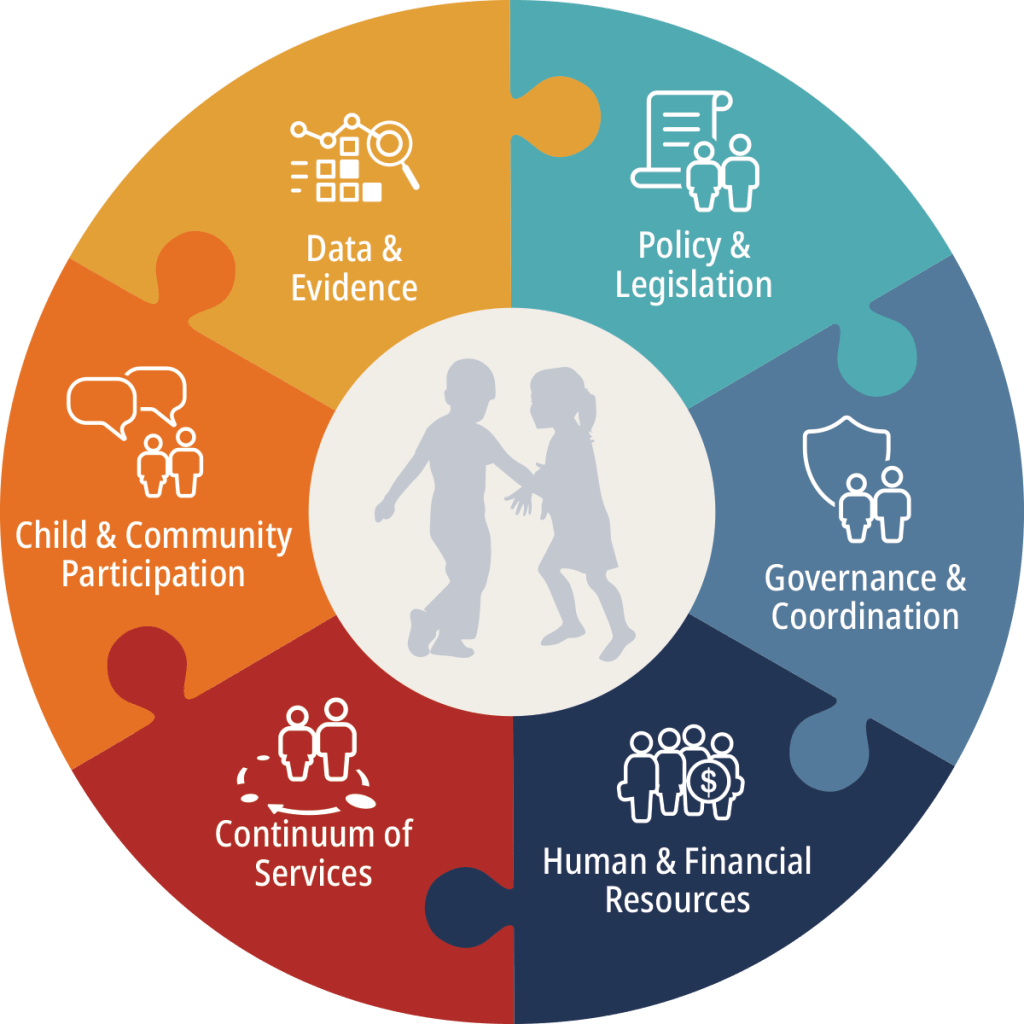
As I continue reflecting on the debate surrounding investigative warrants and child welfare intervention, I find it useful to look beyond a single jurisdiction. When I analyze child protection systems comparatively, I see that different countries attempt to balance family autonomy and child safety in remarkably different ways. These variations reveal how legal traditions, cultural norms, and historical experiences shape the structure of child welfare law.
One of the first lessons I observe when comparing legal systems is that no country has found a perfect solution. Every system struggles with the same core challenge: identifying abuse early enough to protect children while avoiding unnecessary interference in family life.
In many Western legal systems, child protection laws are built upon the principle known as “the best interests of the child.” This concept has become a cornerstone of international child rights law, particularly through the framework established by the United Nations Convention on the Rights of the Child. The principle requires authorities and courts to prioritize the child’s welfare when making decisions that affect them.
However, translating this principle into practical legal procedures is far from straightforward. Governments must determine what types of evidence justify intervention, what level of risk is acceptable, and how far authorities may go when investigating suspected harm.
For example, some countries grant child protection agencies relatively broad investigative powers. In these systems, social workers may enter homes, interview children privately, and request medical examinations when credible concerns arise. Judicial oversight still exists, but agencies often have significant discretion in initiating investigations.
Other jurisdictions adopt a more restrictive approach. Authorities in these systems may need explicit court authorization before conducting intrusive investigations, particularly when parents refuse cooperation. The goal of these safeguards is to prevent unnecessary government intrusion into family life.
As I analyze these different models, I begin to understand why proposals like investigative warrants in Utah generate intense debate. Such measures represent an attempt to bridge the gap between these two approaches—providing authorities with investigative tools while maintaining judicial oversight.
In some European countries, the child welfare system operates through strong collaboration between social services and local communities. Schools, healthcare providers, and social workers often share information more freely, allowing authorities to identify patterns of concern earlier. This cooperative framework can help detect abuse before it escalates into life-threatening situations.
However, even these systems face criticism when interventions are perceived as excessive. In several high-profile cases, governments have been accused of removing children from families too quickly, particularly when cultural misunderstandings or socioeconomic differences were involved.
In contrast, some legal systems place stronger emphasis on parental rights and family sovereignty. In these jurisdictions, authorities may hesitate to intervene unless clear evidence of abuse exists. While this approach protects families from unnecessary scrutiny, it may also delay intervention in situations where children are at risk.
When I examine these contrasting models, I realize that each reflects deeper societal values. Some societies emphasize collective responsibility for children, while others prioritize the independence and authority of the family unit.
Another important factor is the role of the judiciary in child protection decisions. In many countries, specialized family courts or juvenile courts oversee child welfare cases. These courts often employ judges with expertise in family law, child psychology, and social welfare policy.
Judicial involvement can provide an important layer of accountability. When a court reviews evidence before authorizing an investigation or removal, it ensures that decisions are not made solely by administrative agencies. This oversight can strengthen public confidence in the fairness of the system.
Yet judicial processes also introduce practical challenges. Courts may move slowly, and urgent situations sometimes require immediate action. Child welfare agencies must therefore balance the need for rapid intervention with the legal requirement for judicial authorization.
Another difference between countries lies in the availability of preventive services. Some governments invest heavily in family support programs designed to address problems before they become severe. These programs may include counseling, financial assistance, parenting education, and mental health services.
When such support systems function effectively, authorities may be able to stabilize families without resorting to intrusive investigations or child removals. In this sense, prevention becomes an essential component of child protection policy.
As I reflect on these comparative approaches, I begin to see that child welfare systems operate along a spectrum. On one end lies strong state intervention aimed at preventing harm; on the other lies a cautious approach that prioritizes family autonomy. Most countries attempt to position themselves somewhere in between.
The debate surrounding investigative warrants in Utah appears to reflect this broader global tension. Lawmakers are attempting to determine whether existing legal restrictions prevent authorities from verifying the safety of vulnerable children. At the same time, critics worry that expanding investigative powers could erode fundamental civil liberties.
From my perspective, comparative analysis does not provide a single definitive answer. Instead, it highlights the importance of designing child protection systems that are both flexible and accountable. Laws must allow authorities to respond effectively to credible risks while ensuring that families remain protected from arbitrary intrusion.
Looking at how other legal systems grapple with these challenges reminds me that child protection is not merely a legal question. It is also a reflection of societal priorities, ethical values, and historical experiences.
The influence of media’n public opinion on ‘Child Protection Laws’
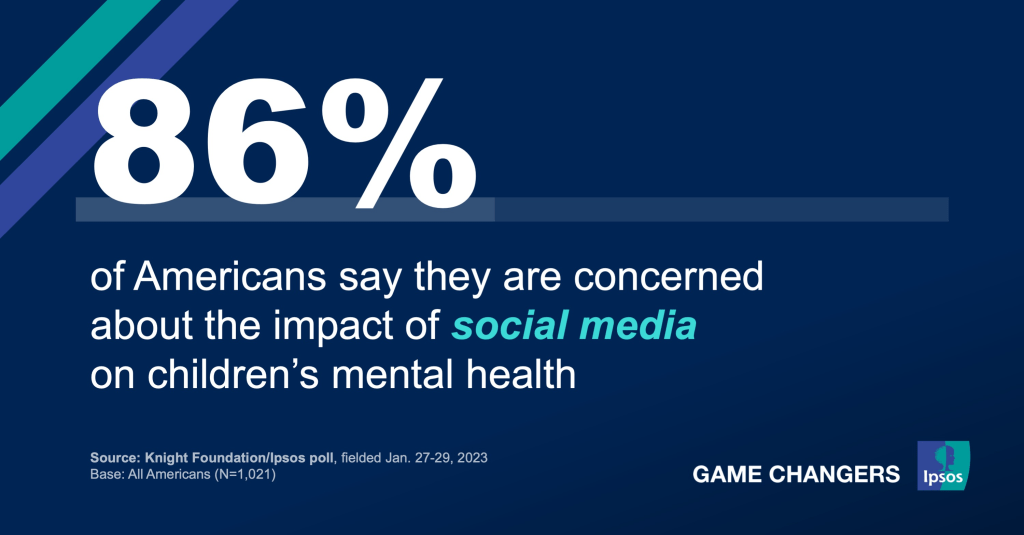
As I analyze the legislative debate surrounding the death of Gavin Peterson and the proposed reforms in Utah, I cannot ignore the powerful role that media coverage and public opinion play in shaping child protection laws. In many cases, legal reforms do not emerge solely from academic analysis or long-term policy planning. Instead, they are often triggered by highly publicized tragedies that capture public attention and demand an immediate response.
When a case of severe child abuse becomes widely known, the emotional reaction from society can be profound. People naturally ask how such a tragedy could occur and why institutions failed to prevent it. The media amplifies these questions by investigating the circumstances surrounding the case, interviewing experts, and highlighting possible weaknesses in the system.
In the case of Gavin Peterson, news reports described years of abuse, isolation, and warning signs that reportedly went unaddressed. When the public encounters such narratives, it is almost inevitable that pressure mounts on lawmakers to take action. Citizens want reassurance that similar tragedies will not happen again.
From my perspective, this dynamic illustrates both the strengths and weaknesses of democratic policymaking. On the positive side, media attention can expose systemic problems that might otherwise remain hidden. Investigative journalism often reveals institutional failures, bureaucratic delays, or gaps in the law that demand correction.
Without public awareness, many important reforms might never occur. Governments sometimes require external pressure to confront uncomfortable realities or allocate resources to neglected areas such as child welfare services.
However, I also recognize that policymaking driven by emotional reactions can sometimes produce hasty or overly broad legal reforms. When public outrage reaches its peak, legislators may feel compelled to act quickly, even if the long-term consequences of new policies have not been fully examined.
This phenomenon is sometimes referred to as “reactive legislation.” Laws passed in response to a specific tragedy may focus heavily on preventing that exact scenario from occurring again, while overlooking other potential risks or unintended effects.
In the context of child protection, reactive legislation can take several forms. Governments may expand investigative powers, increase penalties for abuse, or introduce new reporting requirements. While these measures may address certain weaknesses, they can also create additional burdens for institutions already struggling with limited resources.
Another important factor I consider is the way media narratives shape public perceptions of child welfare agencies. When tragedies occur, news coverage often focuses on what authorities failed to do. While this scrutiny is necessary for accountability, it can also lead to the impression that institutions are consistently ineffective or negligent.
Such perceptions may have unintended consequences. If the public begins to distrust child welfare agencies, individuals may hesitate to report suspected abuse or cooperate with investigations. This erosion of trust can ultimately make it more difficult to protect vulnerable children.
On the other hand, media coverage can also highlight the complex realities faced by child welfare professionals. Investigative reports sometimes reveal that social workers were overwhelmed with cases, lacked access to critical information, or were constrained by existing laws.
These stories remind the public that institutional failures rarely result from a single mistake. More often, they emerge from a combination of factors including resource shortages, legal limitations, communication breakdowns, and human error.
As I reflect on the relationship between media and policymaking, I believe that balanced and responsible reporting is essential. Journalists play a crucial role in informing the public about systemic problems, but they must also present the broader context in which child welfare decisions are made.
Public opinion itself can be a powerful driver of reform. When citizens demand stronger protections for children, governments may allocate more resources to social services, improve training programs, or modernize investigative procedures. In this sense, public pressure can lead to meaningful improvements in child protection systems.
At the same time, I believe that lawmakers must resist the temptation to treat every tragedy as evidence that existing laws are fundamentally flawed. Effective policy requires careful analysis, consultation with experts, and consideration of potential unintended consequences.
The proposed investigative warrant system in Utah illustrates this delicate balance. On one hand, it responds to a real concern: authorities sometimes lack the legal tools needed to verify whether isolated children are safe. On the other hand, critics worry that expanding investigative powers could erode parental rights if implemented without sufficient safeguards.
Media coverage of such debates can influence how the public interprets these competing arguments. If reporting focuses solely on institutional failure, the public may strongly support expanded government authority. If coverage emphasizes civil liberties concerns, skepticism toward new laws may grow.
The healthiest democratic response lies somewhere between these extremes. Public discussion should acknowledge both the urgency of protecting vulnerable children and the importance of preserving fundamental rights.
Ultimately, tragedies like the death of Gavin Peterson remind society that child protection is not only a legal issue but also a moral responsibility shared by institutions, communities, and policymakers alike.
Unintended consequences of expanding child welfare intervention powers..
As I examine the proposed investigative warrants under SB124, I recognize that even well-intentioned reforms can produce unintended consequences. Laws designed to protect children may inadvertently create new challenges for families, institutions, and the legal system. Understanding these potential consequences is crucial to designing effective, balanced policies.
One significant concern involves overreach and misuse of authority. When government agencies gain new powers to investigate families, there is always a risk that these powers could be applied in situations where they are not strictly necessary. Even with judicial oversight, mistakes can occur, and innocent families may experience undue stress or intrusion.
For example, a misinterpreted report or a minor concern could trigger an investigation. While the intent is to protect children, the experience can be deeply unsettling for parents and siblings. Children may be confused, frightened, or anxious when strangers enter their homes to examine their living conditions. These psychological effects can be long-lasting.
Another unintended consequence is the strain on already overburdened agencies. Expanding investigative authority may increase the number of cases that social workers and law enforcement officials must handle. Without additional staffing, resources, and training, agencies may struggle to conduct thorough investigations, leading to delays or inconsistent decision-making.
In my view, this illustrates a critical principle: legal powers alone cannot solve systemic problems. Tools like investigative warrants must be accompanied by investments in training, staffing, and institutional support. Otherwise, reforms risk overpromising results while underdelivering protections.
A further consequence relates to public perception and trust. Families subjected to investigations may feel stigmatized or unfairly targeted. Communities may become wary of reporting concerns, fearing that involvement with child welfare agencies could inadvertently harm the family. This erosion of trust can undermine the very goal of child protection laws.
Additionally, there is the risk of resource diversion. Agencies may prioritize cases that are technically within the scope of new powers, potentially neglecting other children who need attention but do not fall under the criteria for warrants. In this sense, expanding authority in one area can unintentionally reduce effectiveness elsewhere.
I also reflect on the potential legal challenges and litigation that may arise from expanded intervention powers. Families who believe they were subjected to unnecessary investigations may seek redress through the courts. This could result in prolonged legal battles, further straining the system and diverting attention from child protection.
Moreover, the predictive nature of some interventions raises ethical and practical questions. Investigative warrants often rely on assessing the likelihood of future harm based on reports, tips, or evidence of risk. While prevention is important, decisions based on prediction are inherently uncertain. Acting prematurely can lead to disputes over whether authorities overstepped, creating legal and moral dilemmas.
Another unintended effect is disproportionate impact on marginalized communities. History shows that child welfare interventions sometimes affect low-income families or minority groups more frequently, even when risk levels are comparable to other households. Expanding authority without safeguards may inadvertently exacerbate these disparities.
At the same time, I acknowledge that failure to expand intervention powers carries its own consequences. Cases like Gavin Peterson’s show that strict limitations can allow abuse to go undetected, leading to irreversible harm. The challenge is to design a system that minimizes risk to children while minimizing harm to families.
From my perspective, careful checks and balances are essential. Judicial oversight, clear evidentiary standards, and mechanisms for accountability can help mitigate these unintended consequences. Additionally, providing support services alongside investigations—such as counseling or family assistance—can reduce the negative impact on children and parents.
In reflecting on these potential pitfalls, I recognize that child welfare reform is a balancing act. Policymakers must weigh the urgency of preventing abuse against the risk of overreach, the strain on institutions, and the psychological impact on families. The success of reforms like SB124 will ultimately depend on their careful implementation, transparency, and continuous evaluation.
As I reflect personally; on the tragedy of Gavin Peterson and the broader systemic issues it exposes, I am struck by the urgent moral imperative that rests on all of us—not just legislators, judges, or social workers, but every member of society. Child protection is not a bureaucratic exercise; it is a reflection of our collective values, our willingness to act when the vulnerable cannot defend themselves. Too often, we compartmentalize responsibility, assuming that someone else will notice, report, or intervene. Gavin’s death reminds us that those assumptions can cost a child their life. From my perspective, laws like SB124 are essential, but they are only part of the solution. Real change requires a society that refuses to look away, that equips its institutions with the tools, training, and authority they need, and that simultaneously empowers communities to be vigilant, compassionate, and courageous. Every missed signal, every delayed response, every hesitation to act is a lesson in urgency. I feel, deeply, that protecting children is not just a professional obligation—it is a moral covenant we owe to the most defenseless among us. If we truly value justice, empathy, and human dignity, then we cannot wait for the next tragedy to prompt reform; we must act proactively, relentlessly, and with unwavering commitment.
Av. Bilge Kaan ÖZKAN 'ın kaleminden.. sitesinden daha fazla şey keşfedin
Son gönderilerin e-postanıza gönderilmesi için abone olun.
